Sanskrit Workshops
संस्कृत कार्यशालाएँ
Four camps in spoken and classical Sanskrit, held by the Samyak Gyan Prachar-Prasar Trust so that students may read the Jain Agamas in the language they were written in. Choose an edition below — each carries its own schedule, faculty and record.
Sanskrit Sambhashan
Shivir at Udaipur
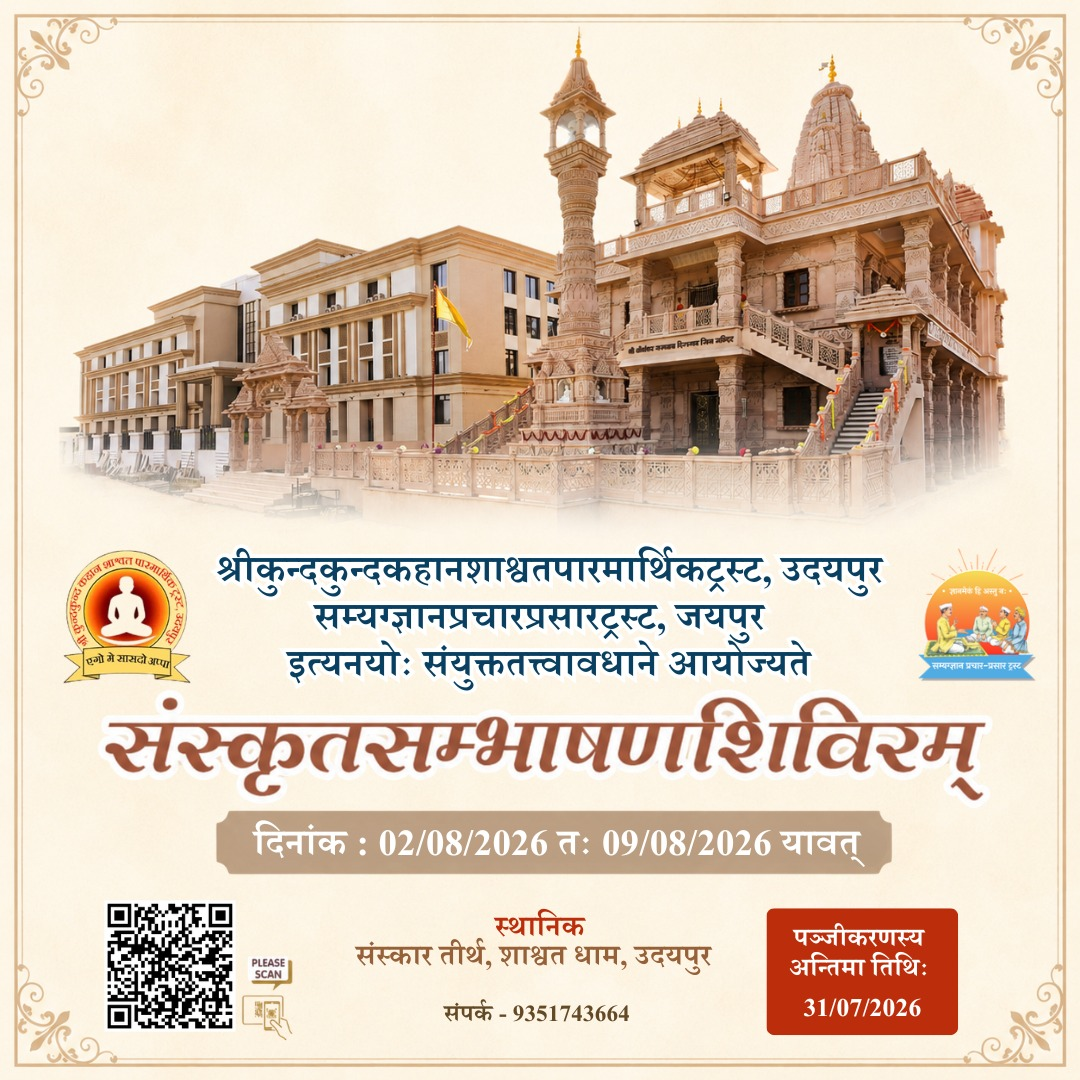
संस्कृतसम्भाषणशिविरम् — उदयपुर
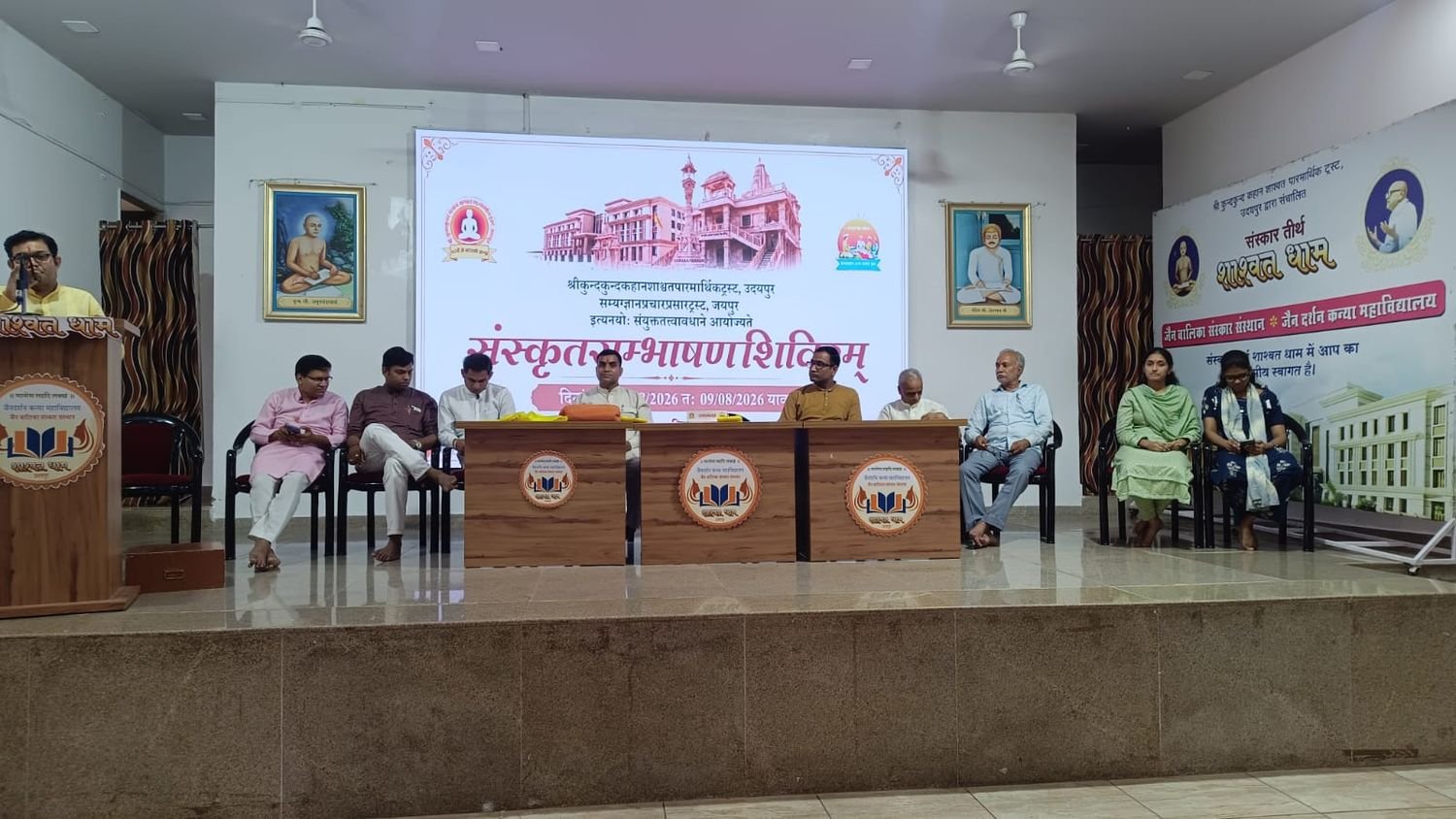
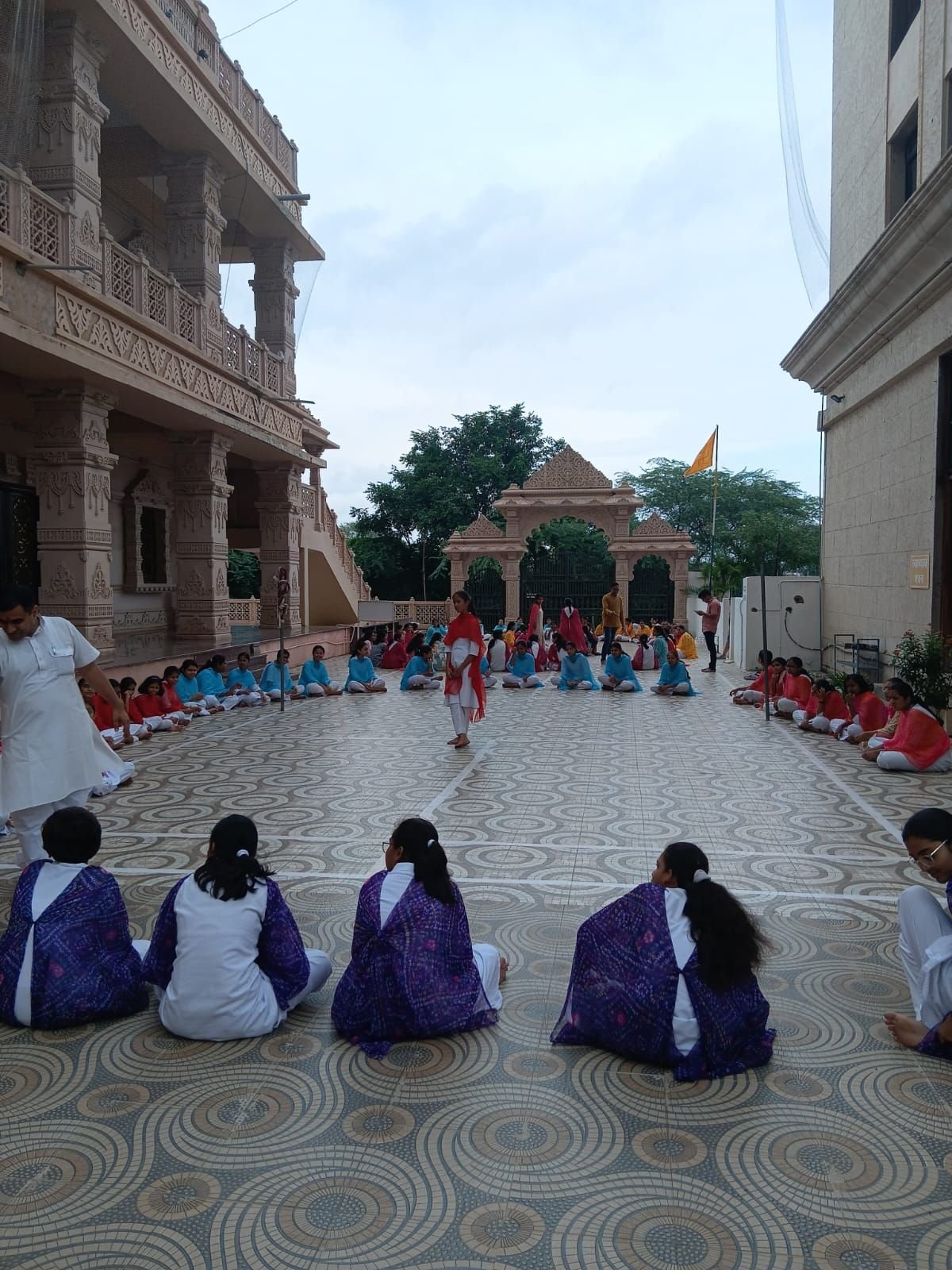
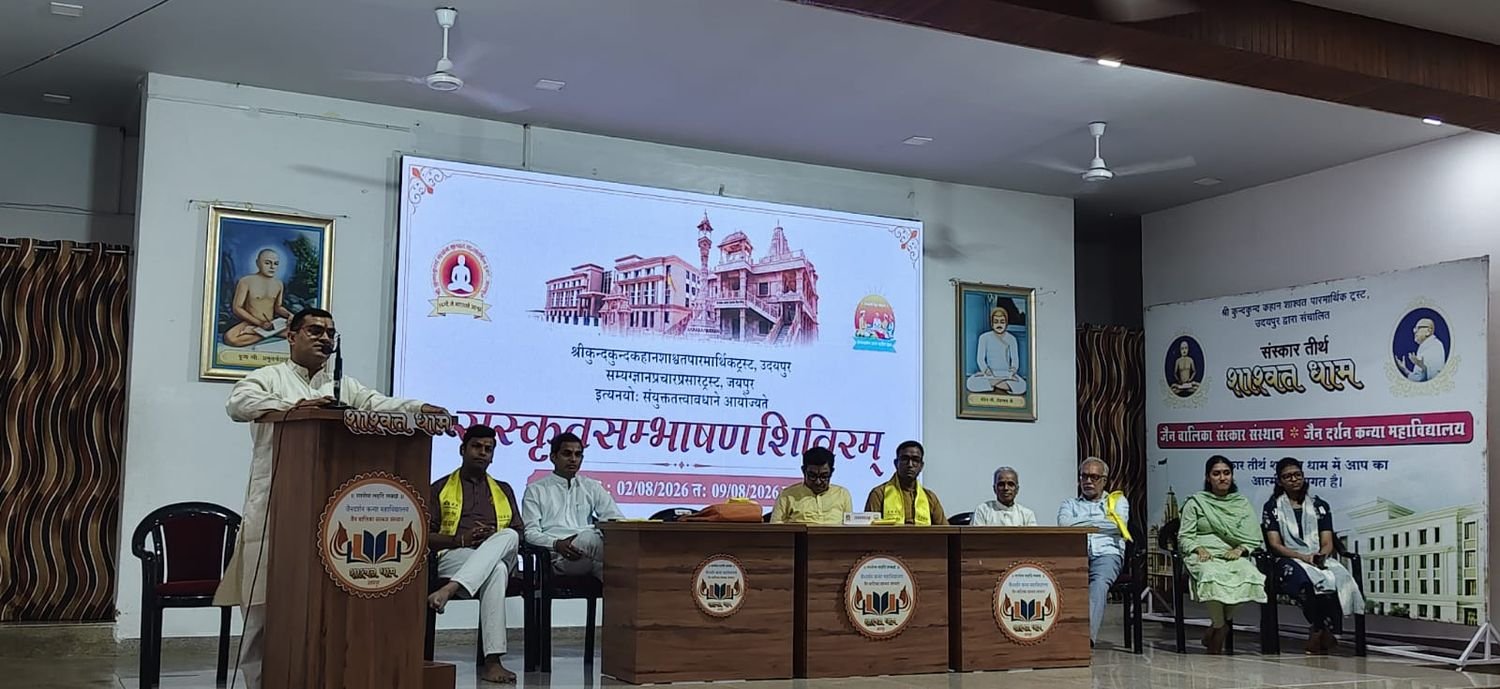
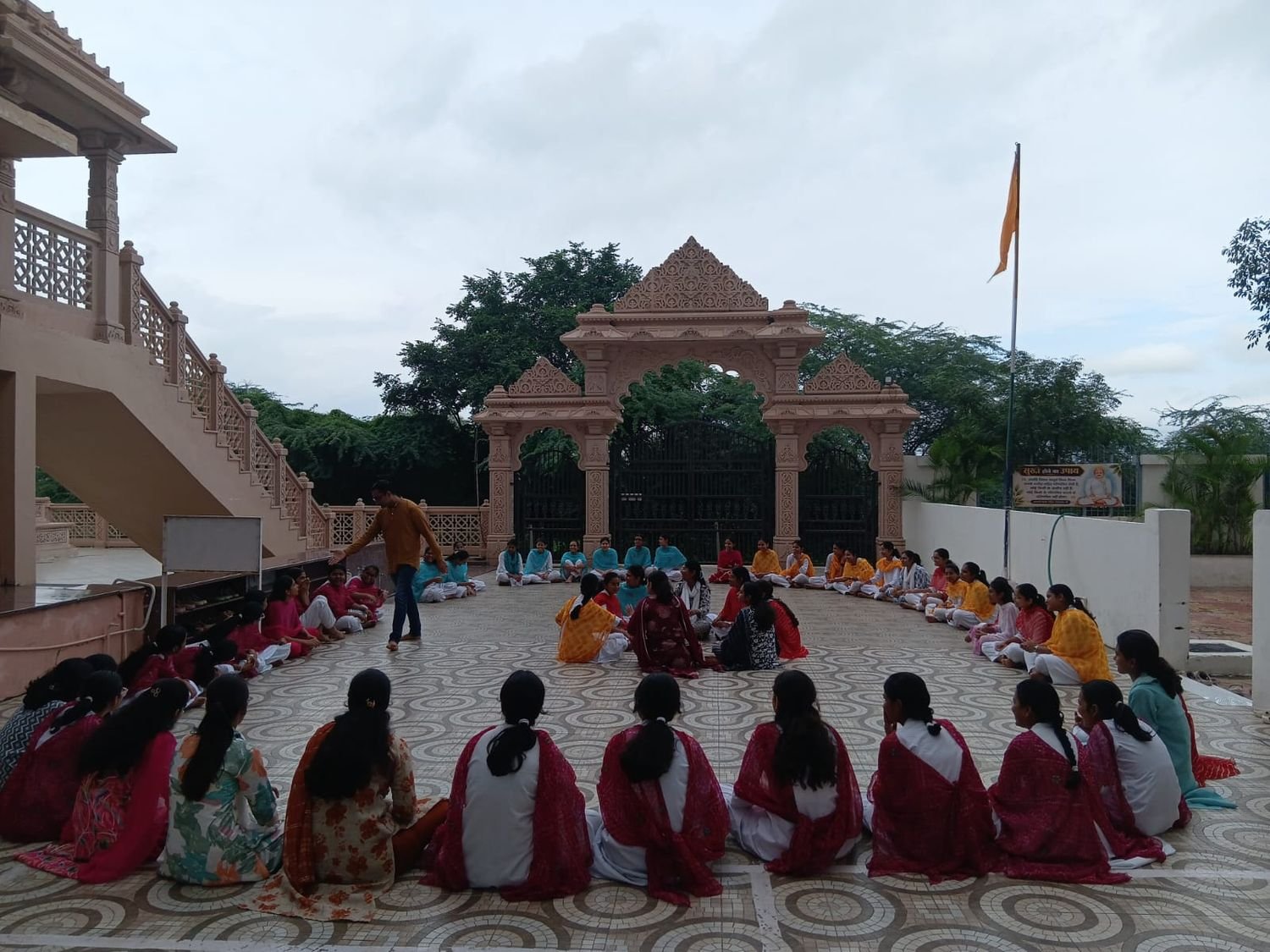
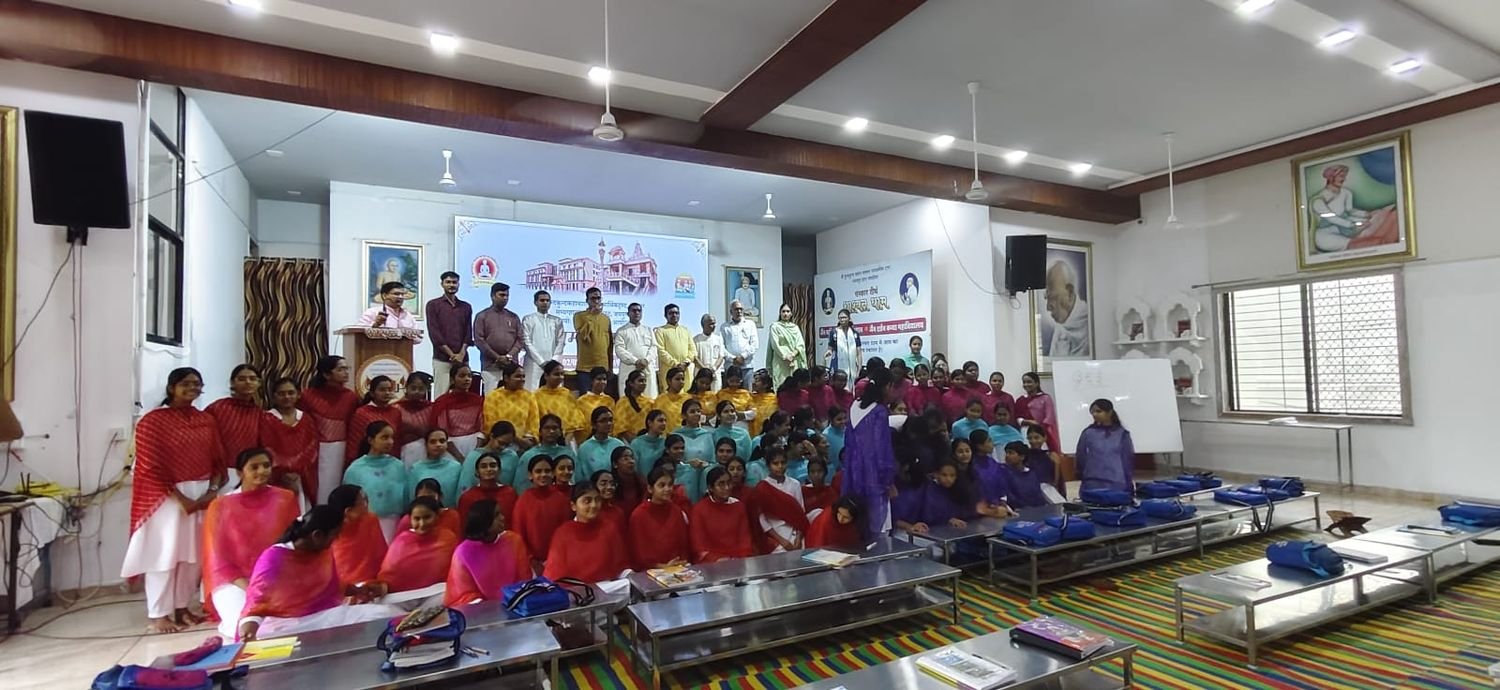
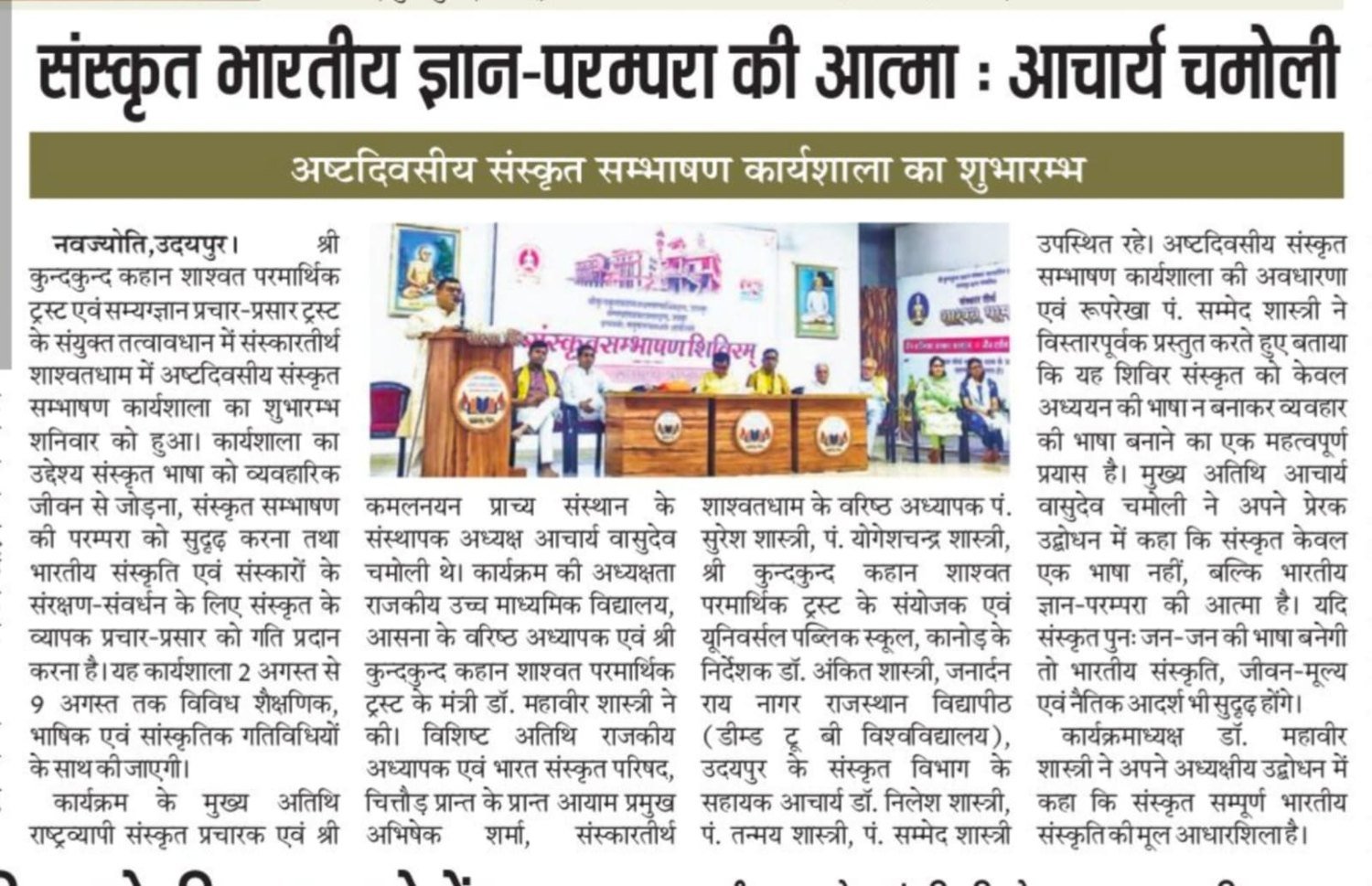
An eight-day residential camp in spoken Sanskrit at Sanskar Tirth, Shashwat Dham, Udaipur — held under the joint auspices of the Shri Kundkund Kahan Shashwat Paramarthik Trust, Udaipur, and the Samyak Gyan Prachar-Prasar Trust, Jaipur.
About the Camp
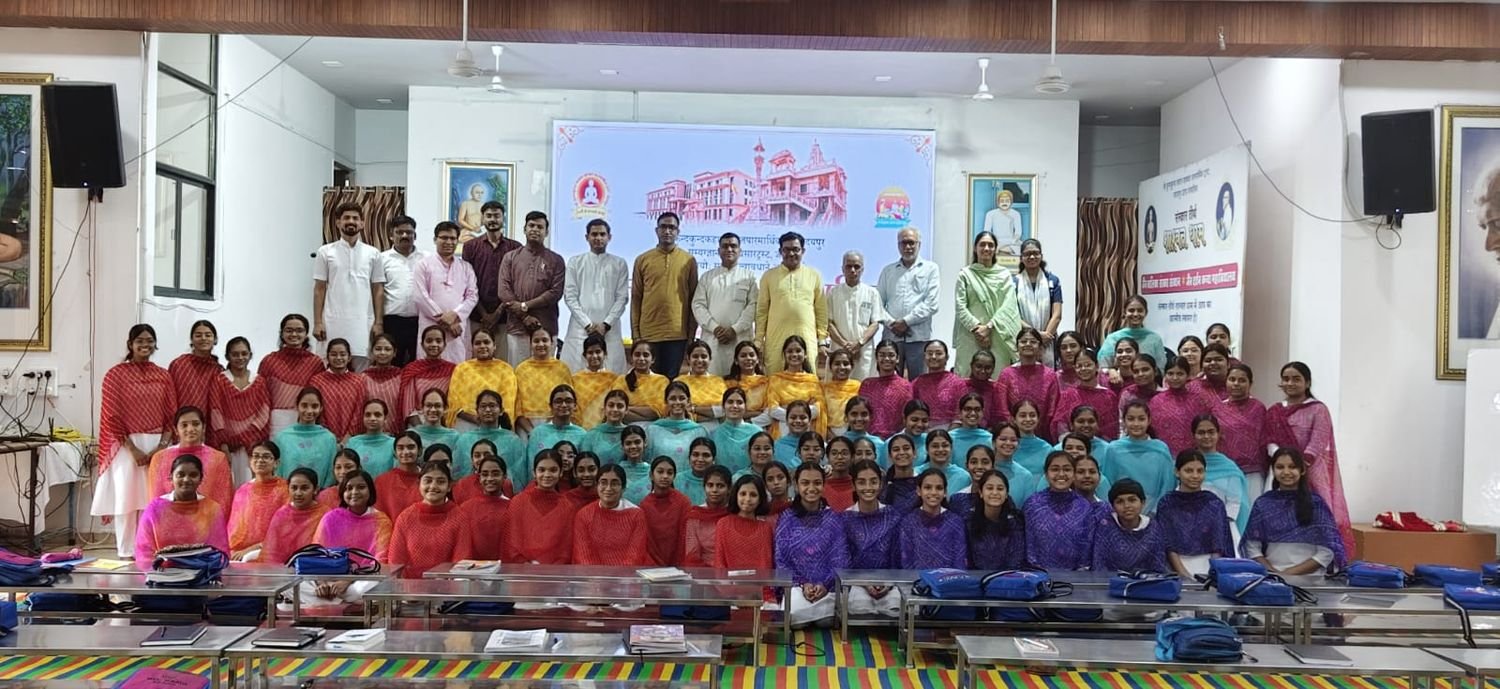
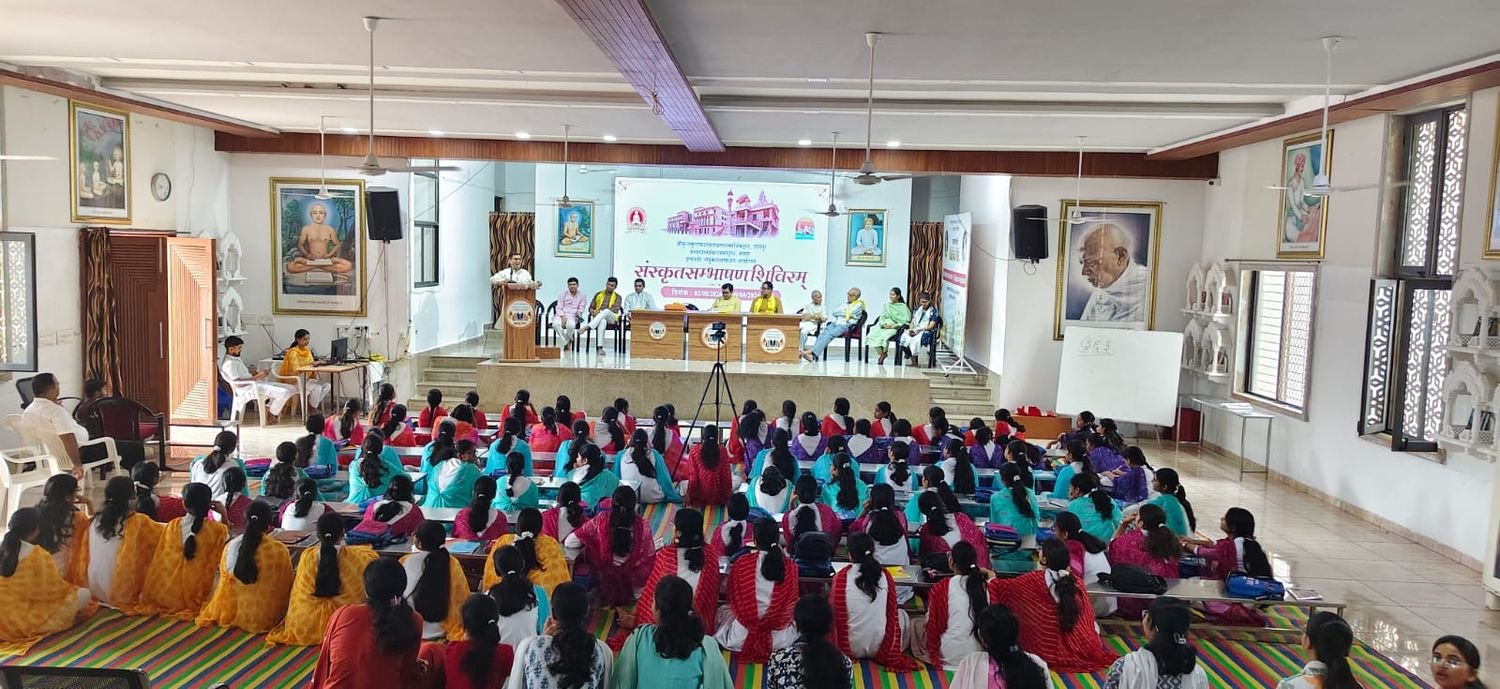
The Sanskrit Sambhashan Shivir will be held from 2 to 9 August 2026 at Sanskar Tirth, Shashwat Dham, Udaipur, under the joint auspices of the Shri Kundkund Kahan Shashwat Paramarthik Trust, Udaipur, and the Samyak Gyan Prachar-Prasar Trust, Jaipur. It is the fourth of the trust's Sanskrit workshops, following the camps at Kota, Bhopal and Jaipur.
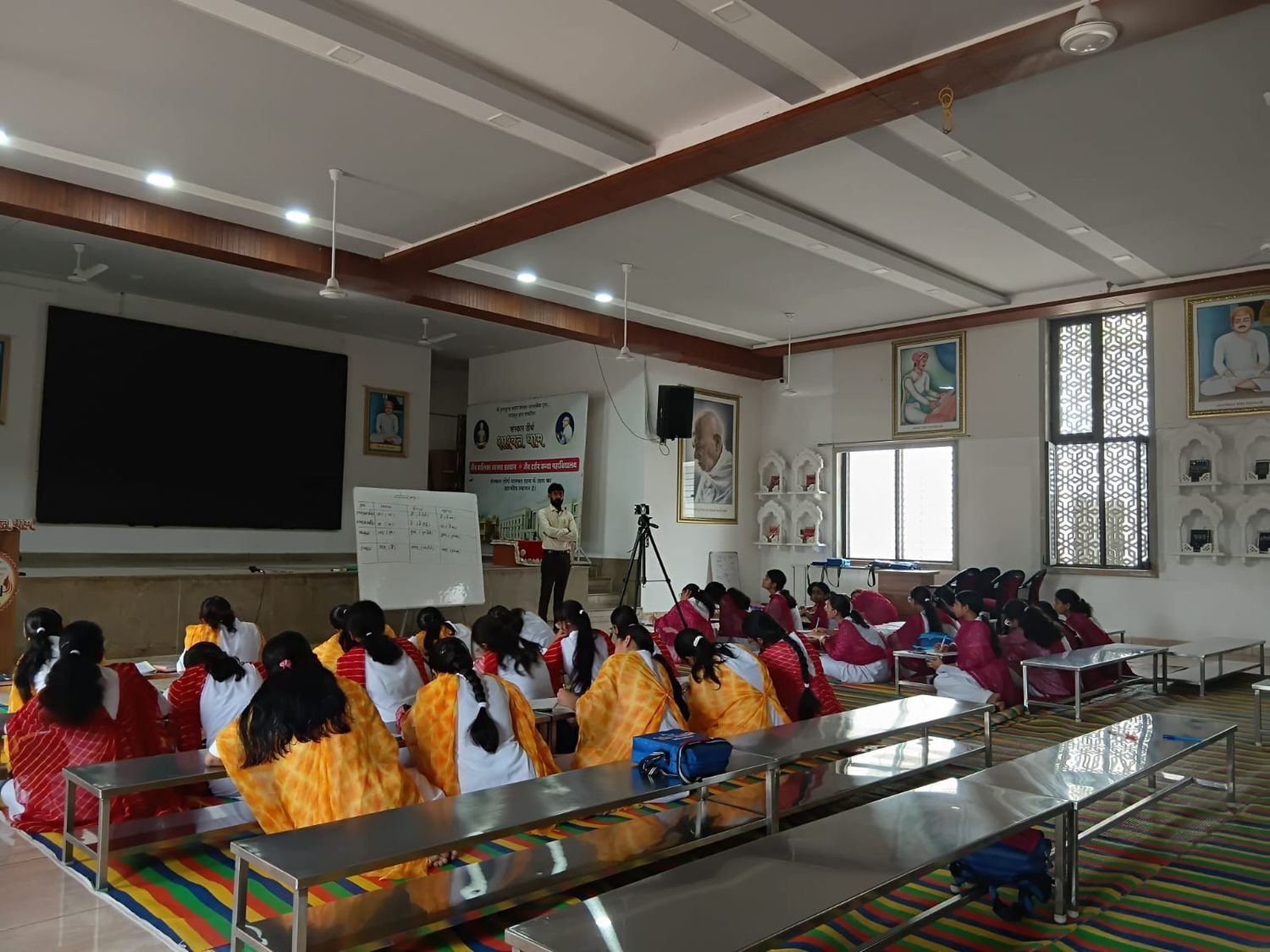
The camp runs to seven sessions a day. The two morning hours are given to the systematic side of the language — voice change, verse, metre, the verb tenses, and the history of Sanskrit and of Jain Sanskrit literature — each taken by a scholar of that subject. The long afternoon sessions are for practice rather than theory: a daily conversation class and a daily hour of language games, both running unbroken through all eight days.
The three evening sessions close each day with a scriptural lecture, an hour on the figures of speech — replaced in the last three days by sandhi, the rules of euphonic combination — and a final hour on the grammatical cases. The pattern is deliberate: the same two teachers hold the conversation and case classes every day, so that a single thread of spoken practice runs from the first evening to the last.
The camp opens on 2 August with the inaugural ceremony, at which Shri Mahamaya Prasad Chaubisa will speak, and closes on 9 August with the valedictory session in the presence of Prof. Neeraj Sharma, Prof. Dheeraj Joshi and Shri Bhagwati Shankar Vyas. Registration closes on 31 July 2026.
What will be taught
Six strands run through the eight days — two of them, conversation and grammatical case, held every single day by the same scholar.
Acharya Vasudev Chamoli
Shri Abhishek Sharma
Acharya Vasudev Chamoli
Dr. Vipasha Jain · Shri Chandrakant Sharma
Vidushi Ananya Shastri · Dr. Nilesh Shastri · Pt. Rishabh Shastri · Vidushi Muskan Shastri · Vidushi Bhavika Shastri
Dr. Pushkar Singh Rao · Dr. Himanshu Bhatt · Dr. Narayan Singh Rao · Dr. Tapish Shastri · Prof. Dheeraj Joshi
Day-by-Day Schedule
Every session of the camp, as set out in the printed satravivaranam. Afternoon and evening hours are given here on the 24-hour clock.
Teaching Faculty
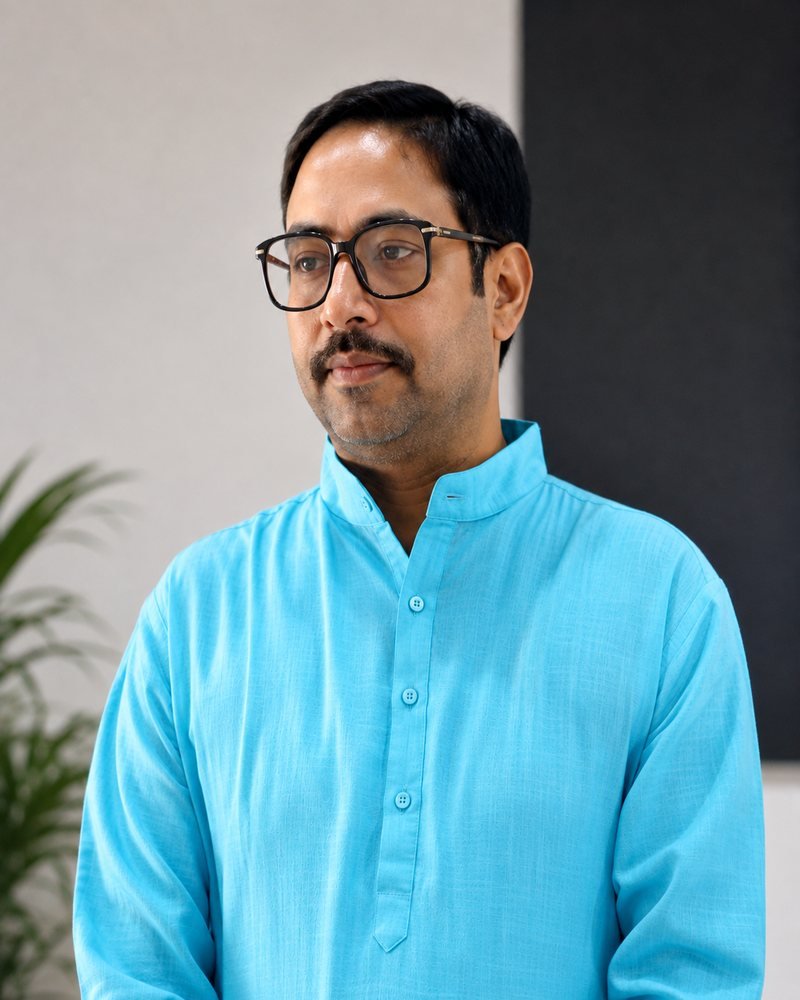
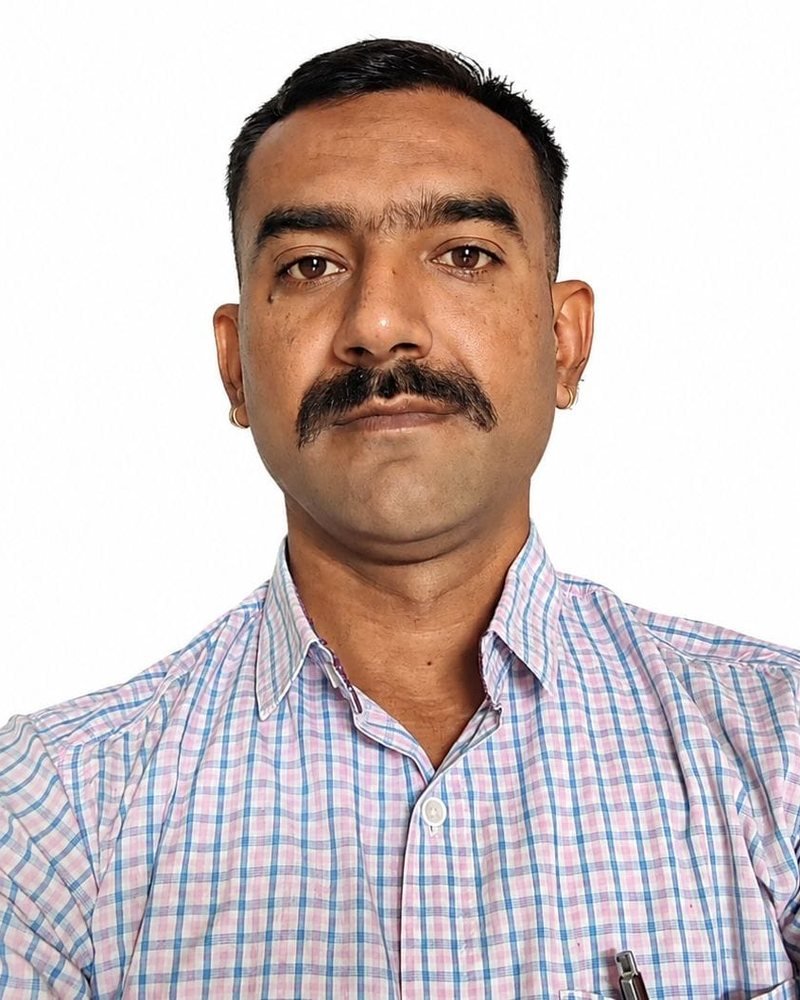
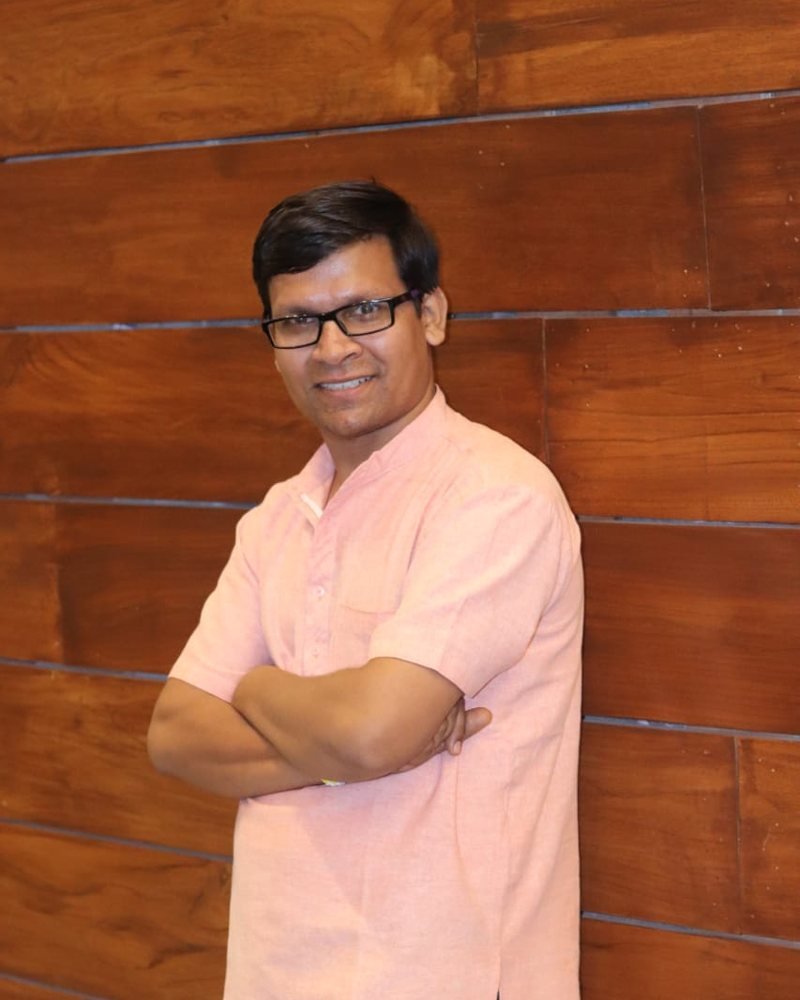
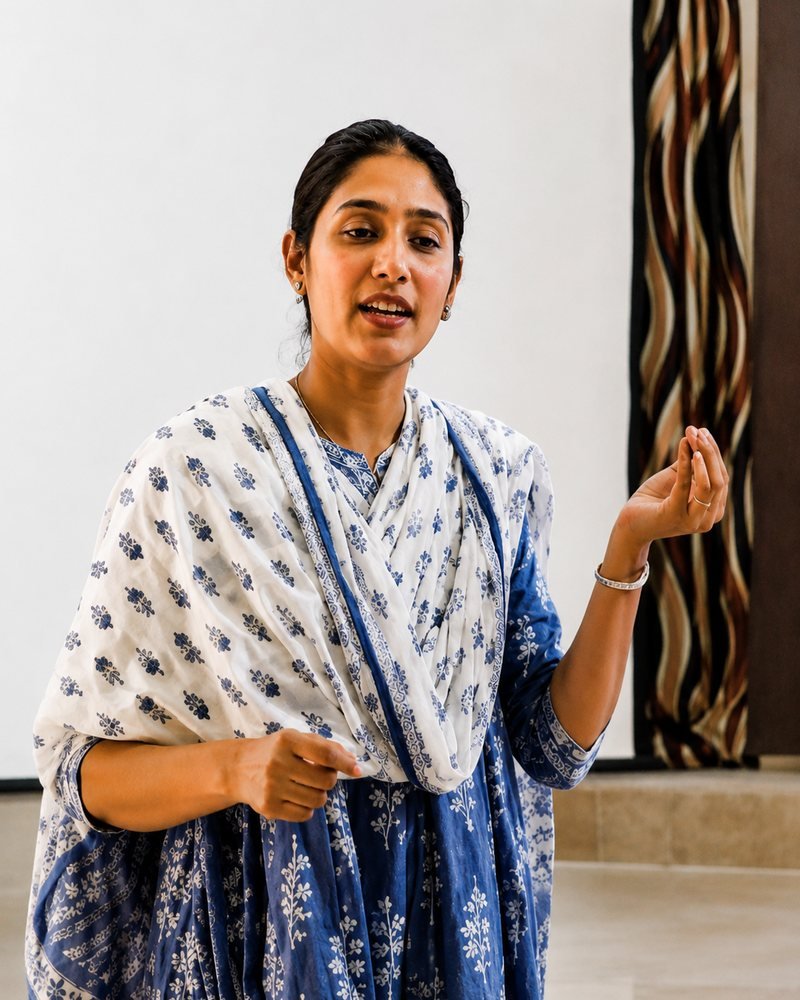
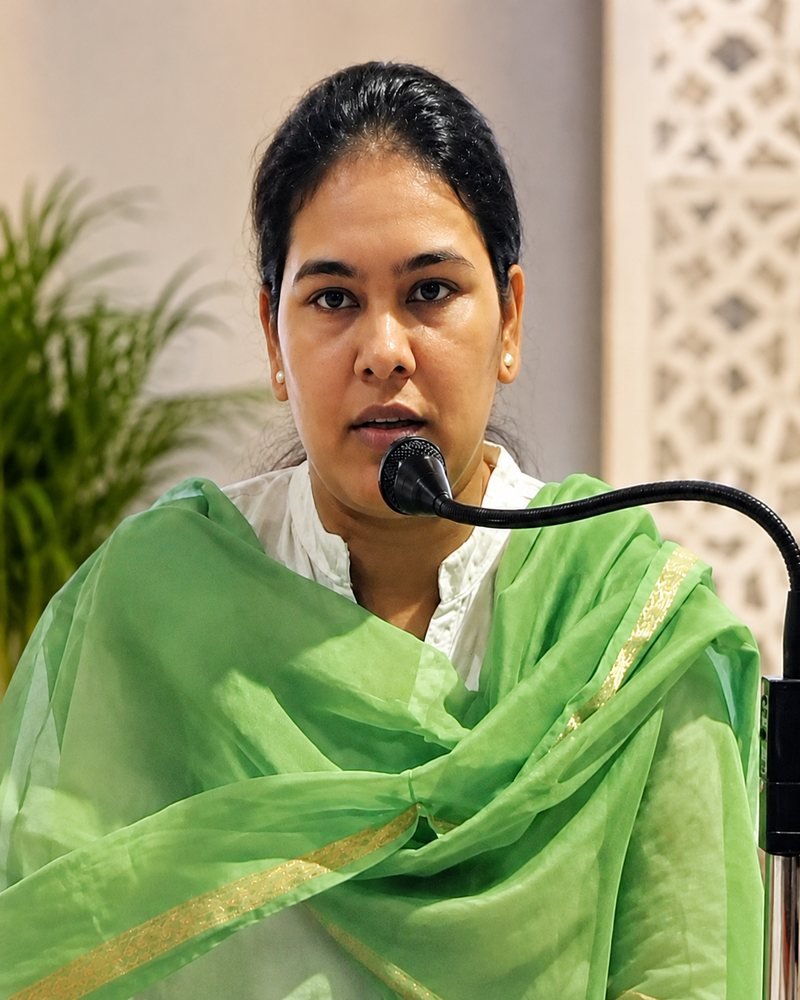
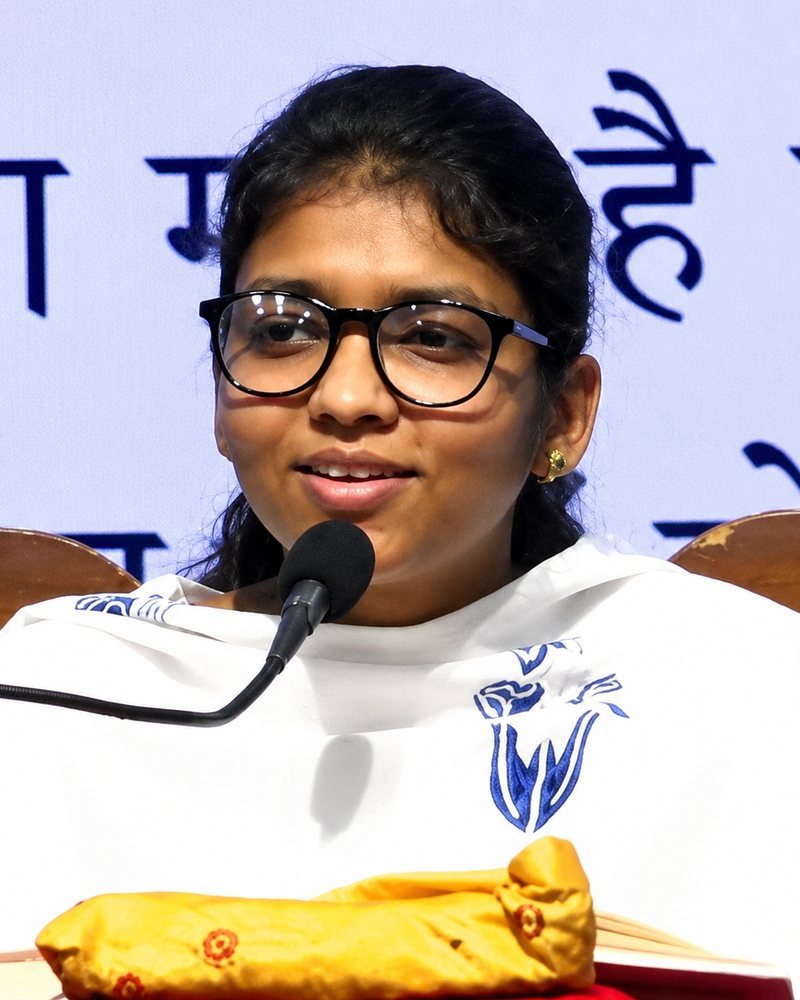
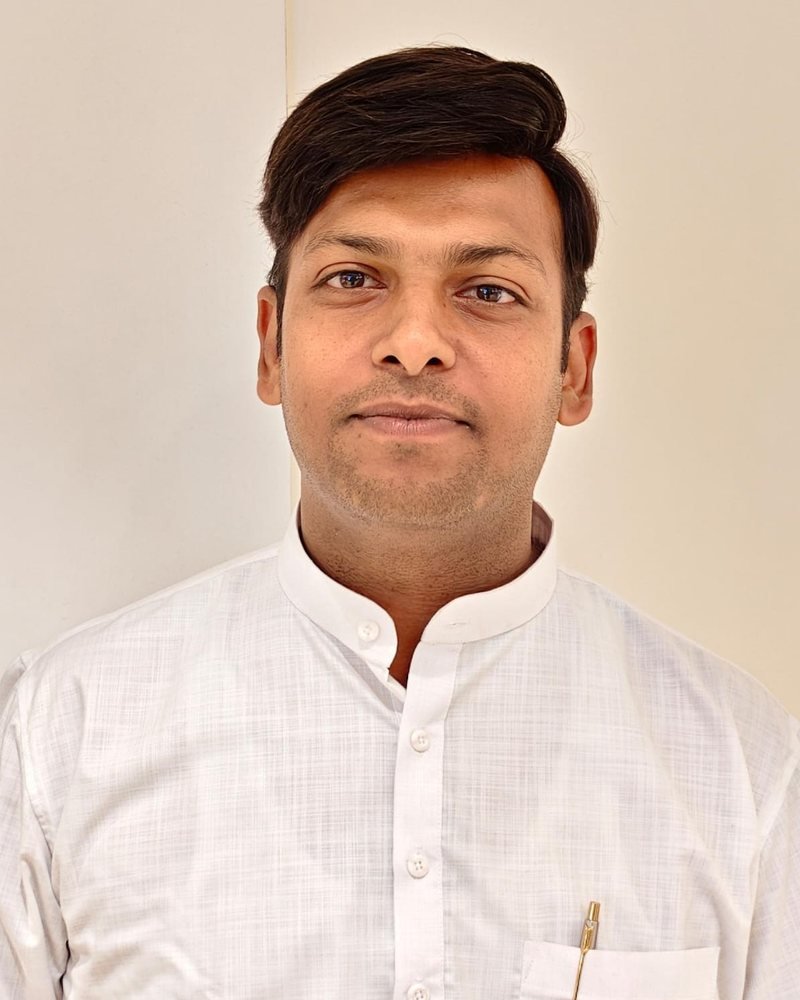
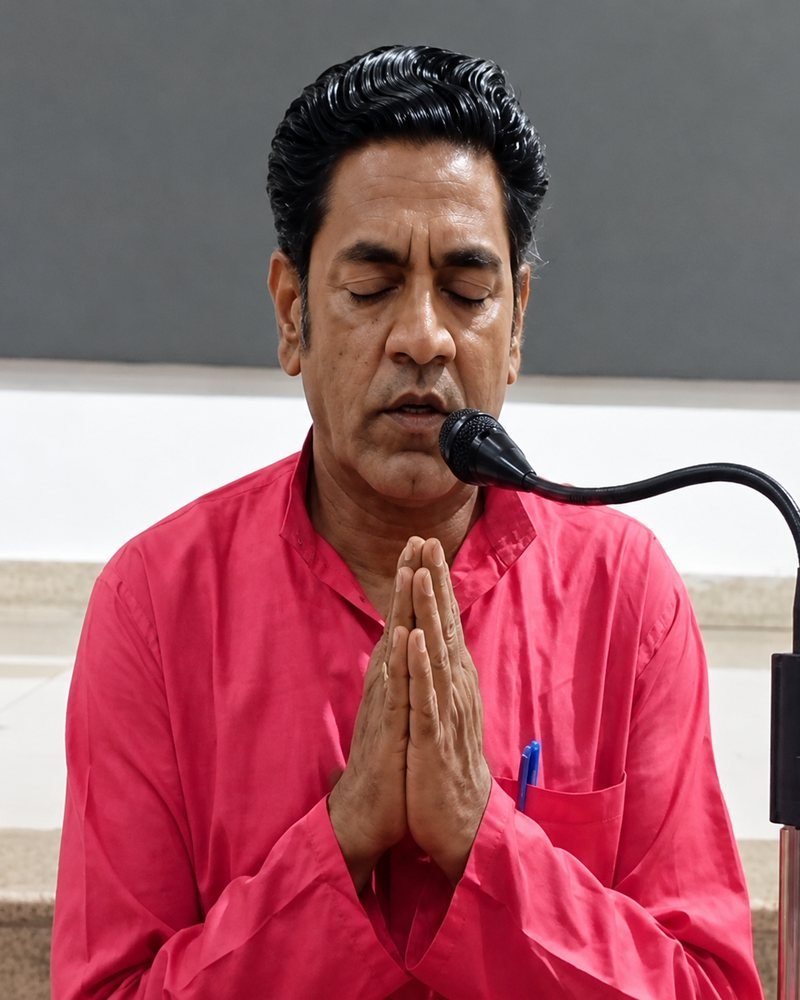
Fourteen scholars will teach across the eight days. Portraits are still being collected — initials stand in for now.
Join the camp
Places are taken by registration in advance. Scan the code on the printed announcement to open the registration form, or call the camp office on the number below. Registration closes on 31 July 2026.
Held jointly by the Shri Kundkund Kahan Shashwat Paramarthik Trust, Udaipur, and the Samyak Gyan Prachar-Prasar Trust, Jaipur.
Sanskrit Sambhashan
Camp at Kota
संस्कृत संभाषण कार्यशाला — कोटा
A nine-day residential camp in spoken Sanskrit held at the Mumukshu Ashram, Kota, under the auspices of the Samyak Gyan Prachar-Prasar Trust — the first of the trust's Sanskrit workshops.
About the Camp
A nine-day Sanskrit Sambhashan workshop was held at the Mumukshu Ashram in Kota under the auspices of the Samyak Gyan Prachar-Prasar Trust. Its purpose was threefold: to build in the participants an affection for the Sanskrit language, to make them fluent in speaking it, and to give them the linguistic grounding that the study of Jain Darshan and the Agama literature requires.
At the inaugural session the scholars and guests spoke on the importance of Sanskrit and Prakrit, observing that a serious reading of the Jain canon is not possible without them. The plan of the nine days was then set out — Sanskrit conversation, the Laghu Siddhanta Kaumudi, grammar, self-study, Sanskrit games, Sanskrit commentary, online conversations with scholars, cultural activities and Sanskrit discourses. From the first day participants were encouraged to speak only in Sanskrit, so that the practice would become natural rather than exceptional.
Through the camp several scholars taught Sanskrit at both the practical and the classical level. Participants practised daily conversation, grammar, word-formation and composition alongside the study of Jain Agama and philosophical texts. Sanskrit games, group activities, presentations and vakyartha sabhas — assemblies for parsing the sense of a sentence — produced a marked gain in language skill, confidence and expression.
At the closing session the participants presented their experiences in Sanskrit, giving a clear demonstration of what they had gained. The discourse given on that occasion set out the founding principles of Jain philosophy — ahimsa, compassion, restraint, renunciation, equanimity, and the doctrines of naya and pramana — in both their philosophical and their reasoned aspect, and left the participants with an appetite for the more difficult subjects.
The guests and scholars praised the enthusiasm and discipline of the participants and the real progress they had made in speaking Sanskrit, and urged them to keep up a regular practice of the language and a continuing study of the Jain scriptures. The camp closed with thanks to all the scholars, teachers, volunteers and participants.
What the camp covered
Nine strands ran through the camp, from spoken practice at one end to scriptural discourse at the other. A session-by-session timetable was not recorded for this edition.
Principles set out at the closing
The closing discourse took the participants from the language into what the language carries — the founding principles of Jain philosophy, presented in both their reasoned and their philosophical aspect.
The trust's report of this camp records what was taught but not the calendar or the teaching panel. The following are still to be added to this page:
- The dates on which the camp was held
- The names of the scholars who taught
- Photographs from the camp
Arhat Sanskrit
Vangmaya Shivir
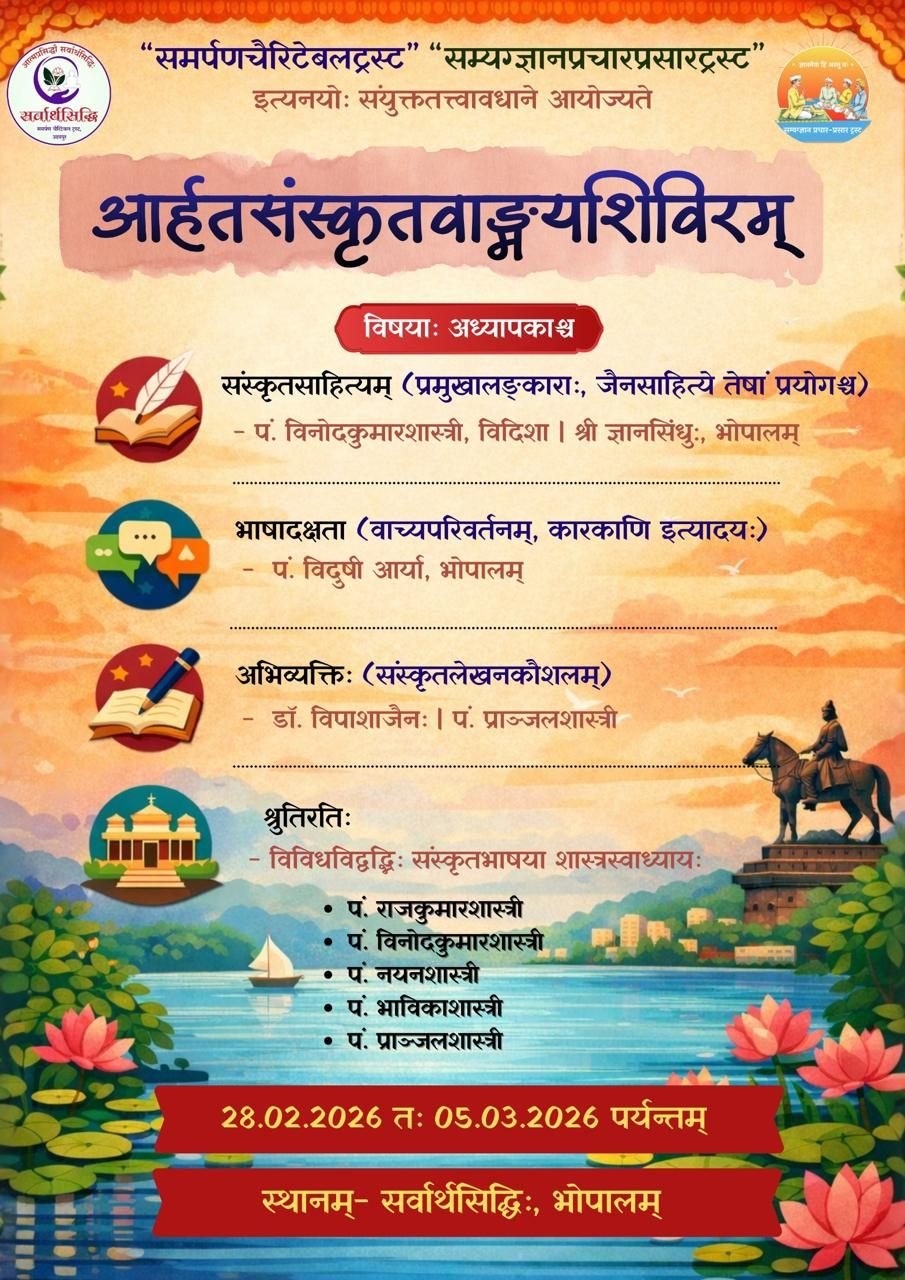
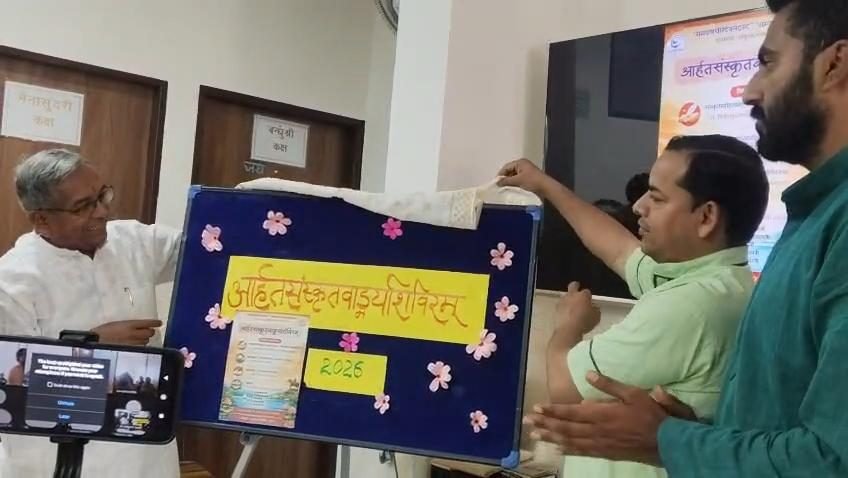
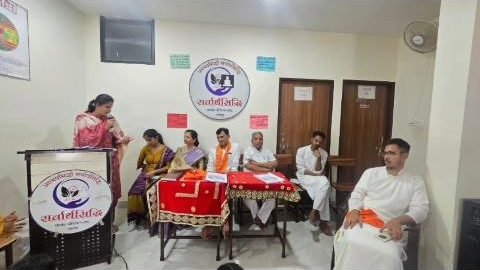
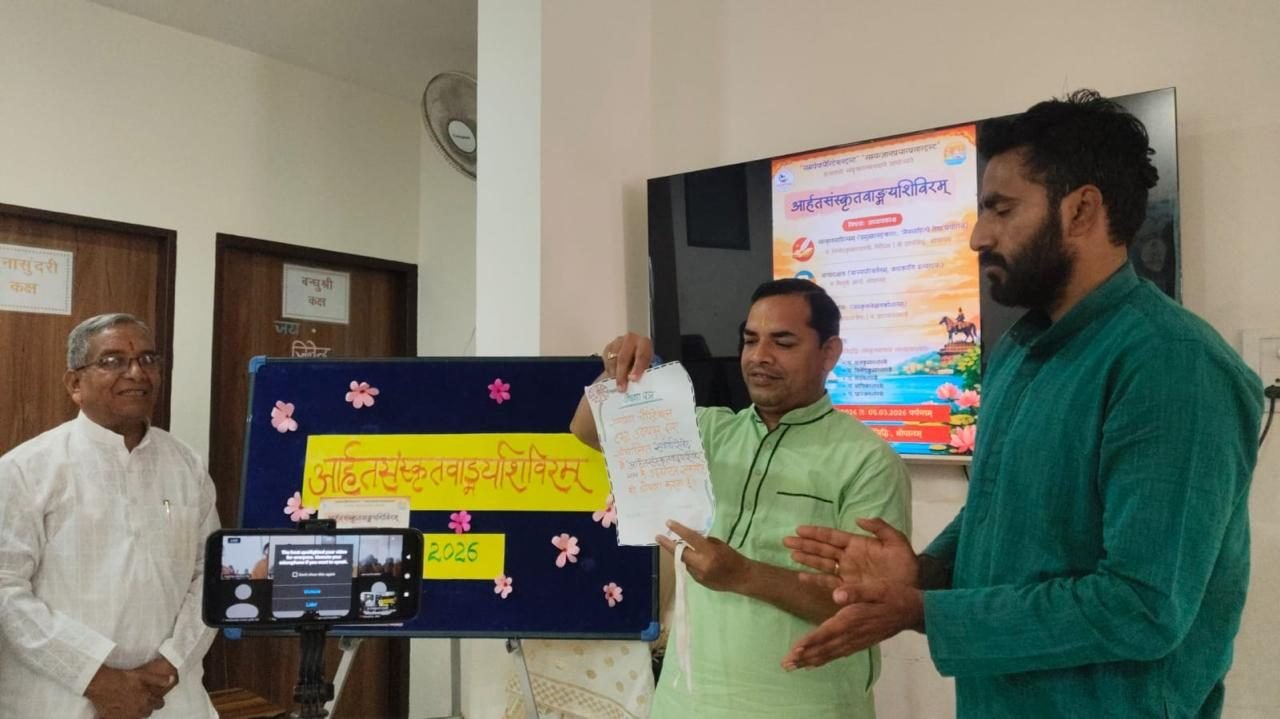
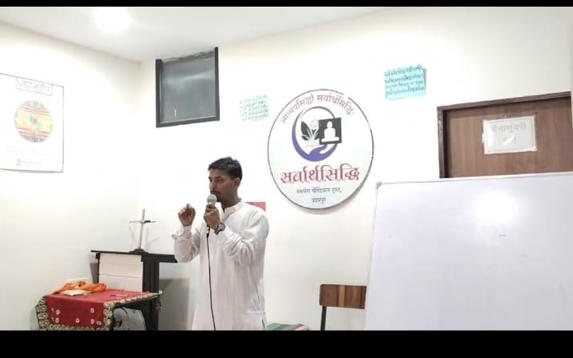
आर्हत संस्कृत वाङ्मय शिविर — भोपाल
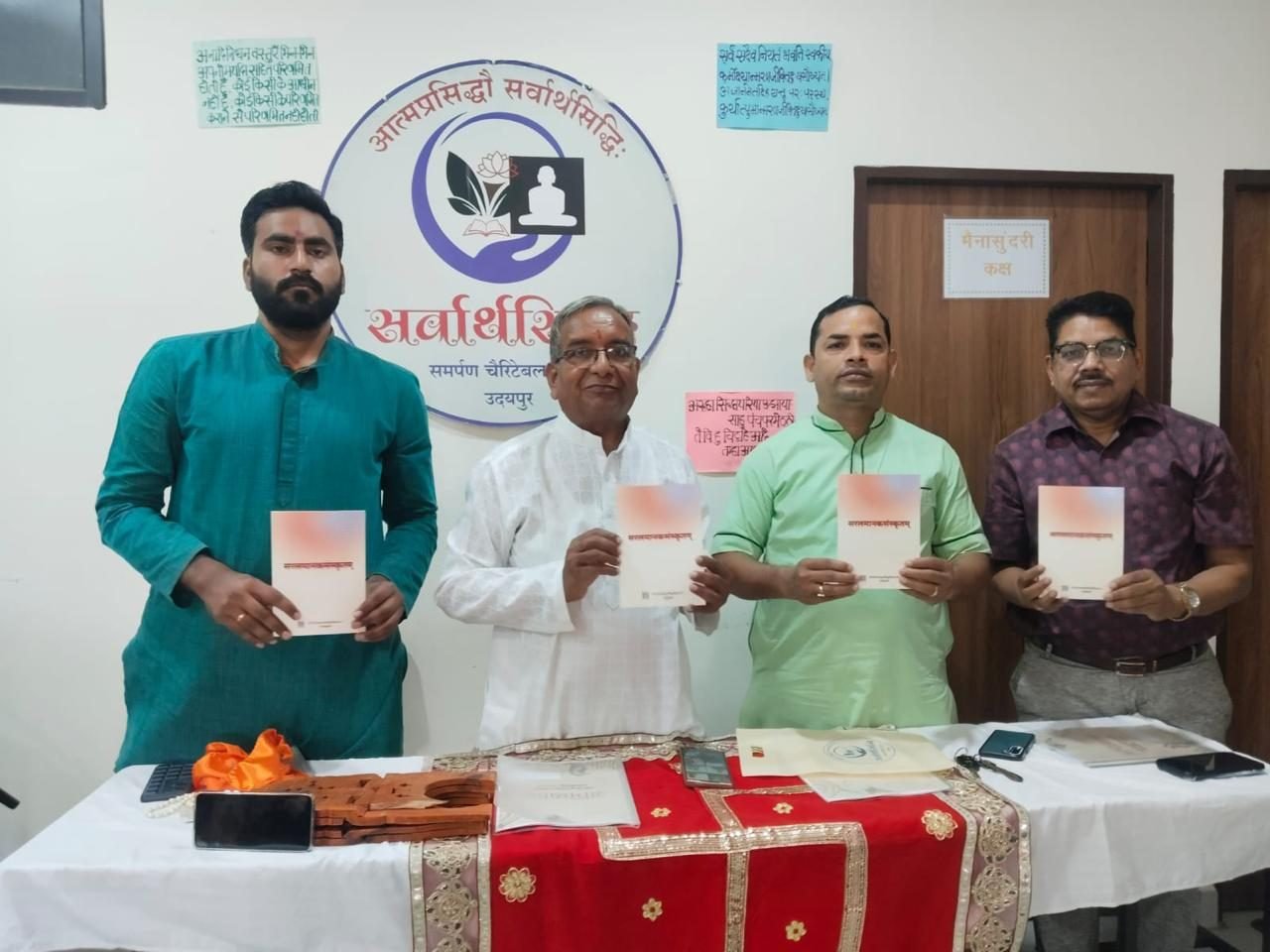
A six-day Sanskrit camp for the students of the Sarvarthasiddhi Kanya Mahavidyalaya, Bhopal — held under the joint auspices of the Samyak Gyan Prachar-Prasar Trust and the Samarpan Charitable Trust, and given over to figures of speech, grammar and Jain literature.
About the Camp
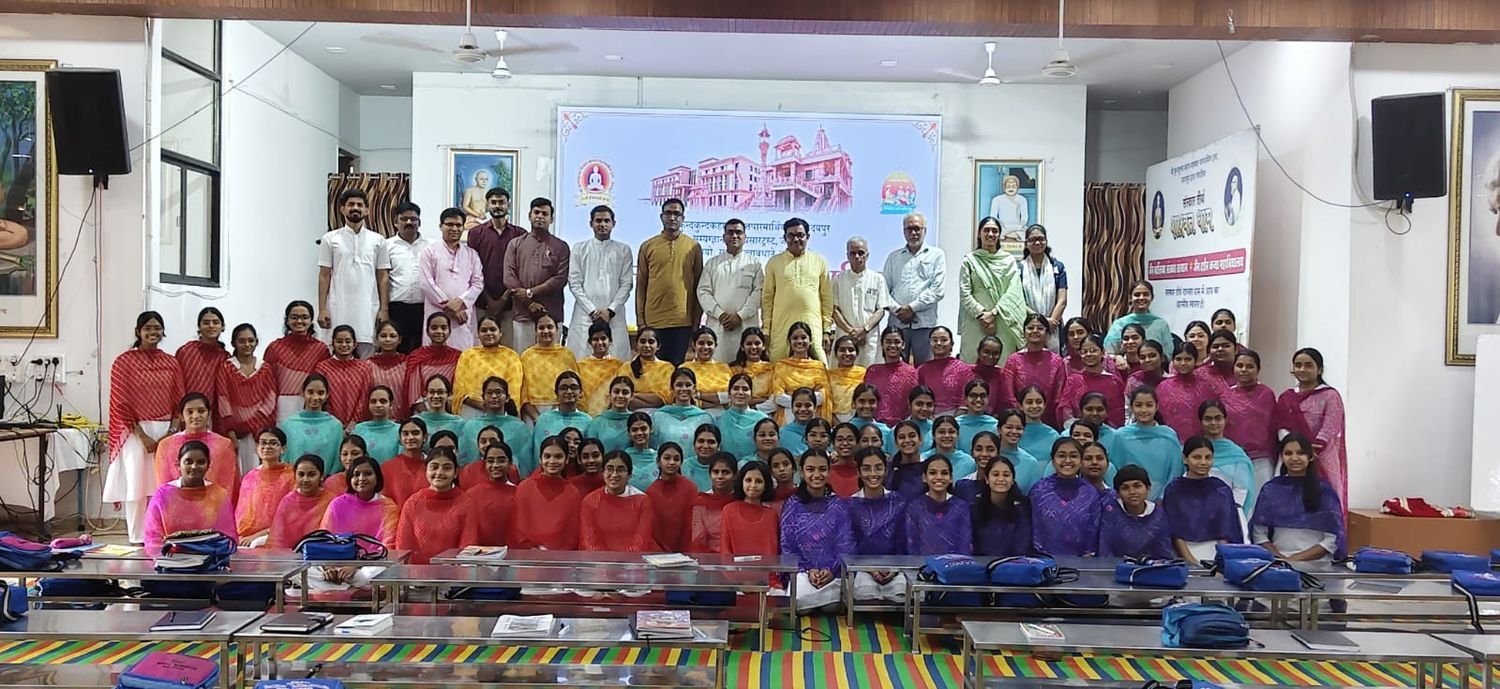
The Arhat Sanskrit Vangmaya Shivir was held under the joint auspices of the Samyak Gyan Prachar-Prasar Trust, Jaipur, and the Sarvarthasiddhi Kanya Mahavidyalaya, Bhopal, from 28 February to 5 March 2026. Its aim was to develop in the students a working knowledge of Sanskrit, to give them a way into the study of Jain literature, and to build their classical learning and their power of expression through literature, grammar and philosophy.
At the inaugural session the scholars and guests described Sanskrit as the root language of the Indian knowledge tradition and of the Jain Agamas, and pressed the need to study it. The shape of the camp was then set out: over the days that followed there would be classes in language proficiency, in literature — particularly the figures of speech — in voice change and grammatical case, in Jain literature, in self-study through the medium of Sanskrit, and in expression and composition. The students were encouraged to speak and to conduct themselves in a Sanskrit environment throughout.
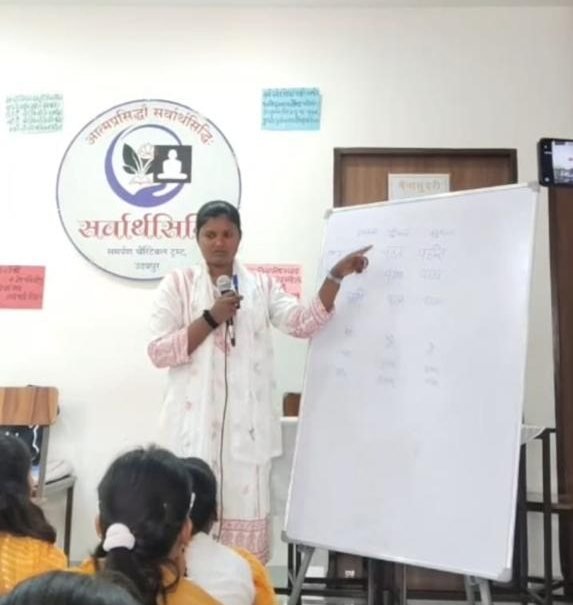
Teaching was shared among several scholars — Su. Vidushi Arya, Dr. Vipasha Jain, Pt. Vinod Shastri, Shri Gyansindhu and Pt. Nayan Shastri among them — who taught language, literature and Jain philosophy in a plain and practical way. The students worked on the use of the alankaras, on the literary study of Jain texts, and on conversation, translation and composition in Sanskrit. The daily self-study and Sanskrit discourses drew out a particular interest in reading the scriptures directly, and with it a growth in confidence.
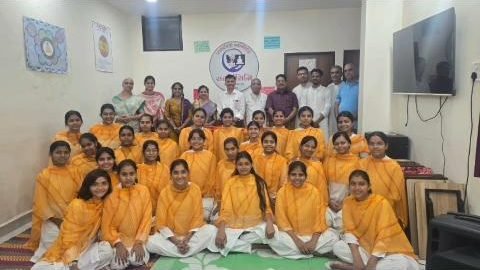
At the closing ceremony the report of the camp was read, and the students gave presentations in Sanskrit on the language, on the figures of speech, on grammar and on Jain philosophy. Speaker after speaker observed how much ground they had covered in so short a time — in speaking Sanskrit, in classical study, and in expressing themselves without hesitation. The guests urged them to keep a regular practice, to go deeper into the Jain literature, and to make what they had learnt part of their lives.
Thanks were offered at the close to the Samyak Gyan Prachar-Prasar Trust, to the Sarvarthasiddhi family, and to all the scholars, teachers and volunteers, with the hope that such Sanskrit-centred programmes would continue to serve both the students' formation and the wider study of Jain philosophy. The camp ended with good wishes for the students' future.
What was taught
Four subjects ran across the camp, each held by a named scholar, alongside a daily scriptural reading in Sanskrit taken in turn by visiting scholars.
Pt. Vinod Kumar Shastri, Vidisha · Shri Gyansindhu, Bhopal
Su. Vidushi Arya, Bhopal
Dr. Vipasha Jain · Pt. Pranjal Shastri
Pt. Rajkumar Shastri · Pt. Vinod Kumar Shastri · Pt. Nayan Shastri · Su. Bhavika Shastri · Su. Pranjal Shastri
Day-by-Day Schedule
Five teaching sessions each day, set out as they were printed in the camp timetable.
Teaching Faculty
Six days at Sarvarthasiddhi
National Sanskrit
Sambhashan 2026
राष्ट्रीय संस्कृत सम्भाषण कार्यशाला
A ten-day national spoken-Sanskrit workshop — held at the Todarmal Digambar Jain Siddhant Mahavidyalaya, Jaipur, under the joint auspices of the Samyak Gyan Prachar-Prasar Trust and the Pandit Todarmal Smarak Trust.
About the Workshop
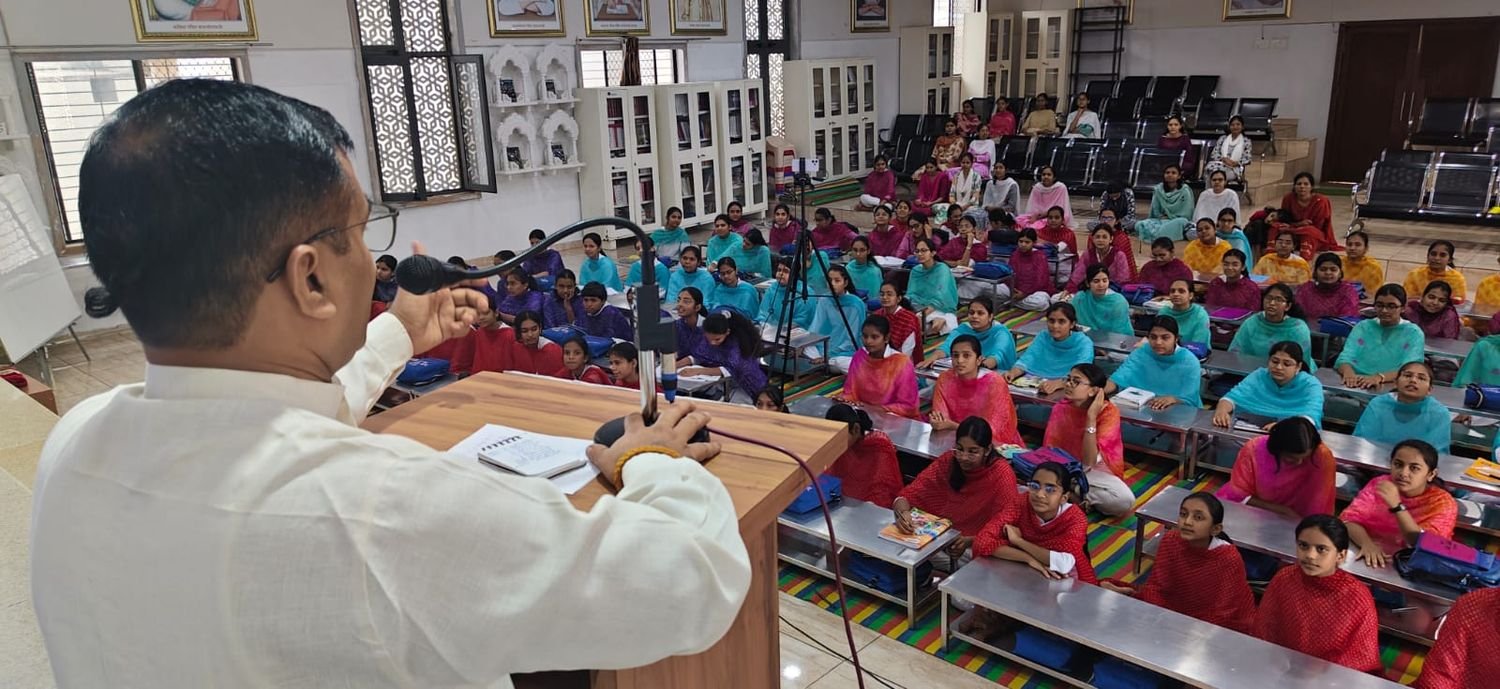
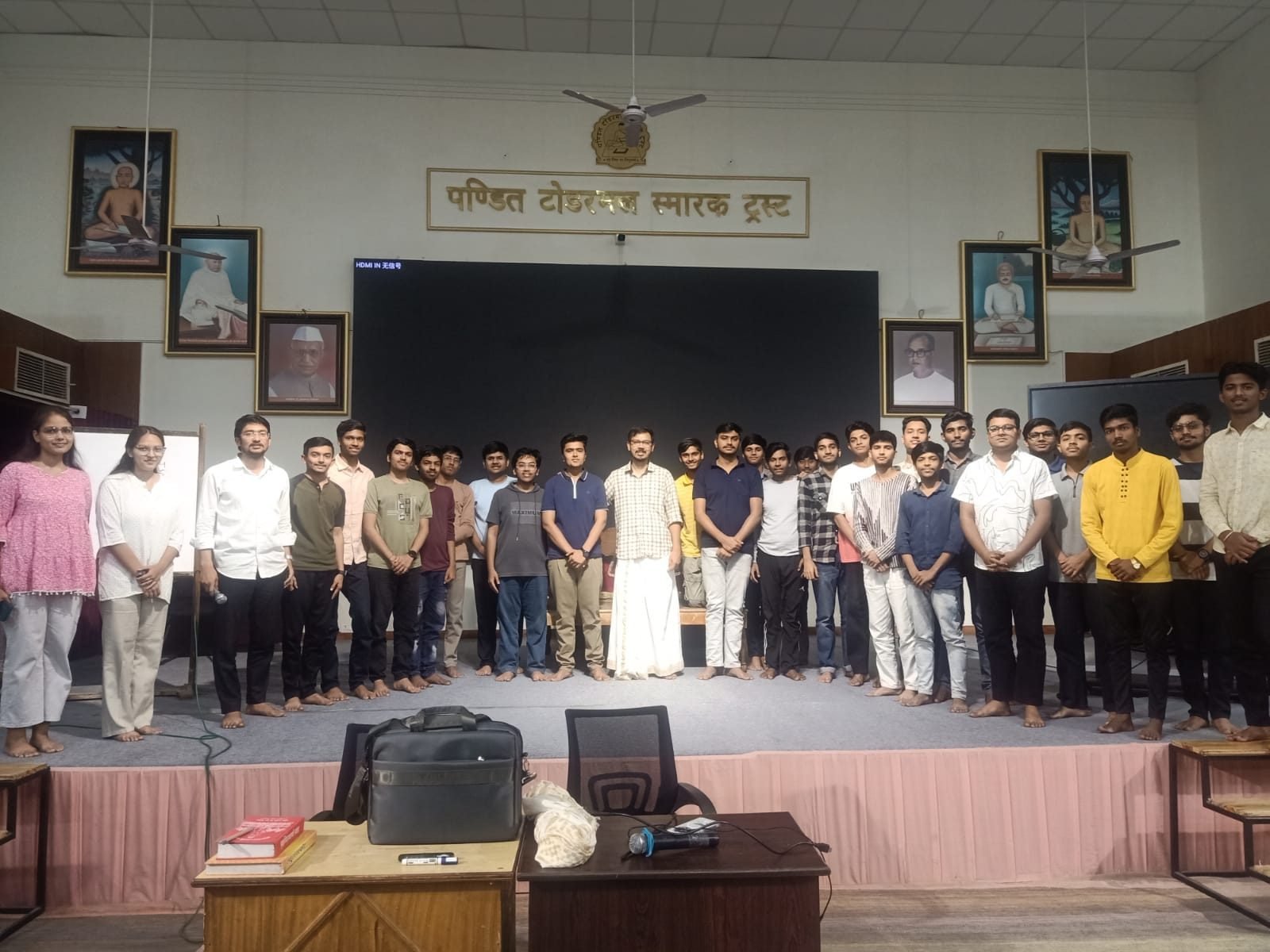
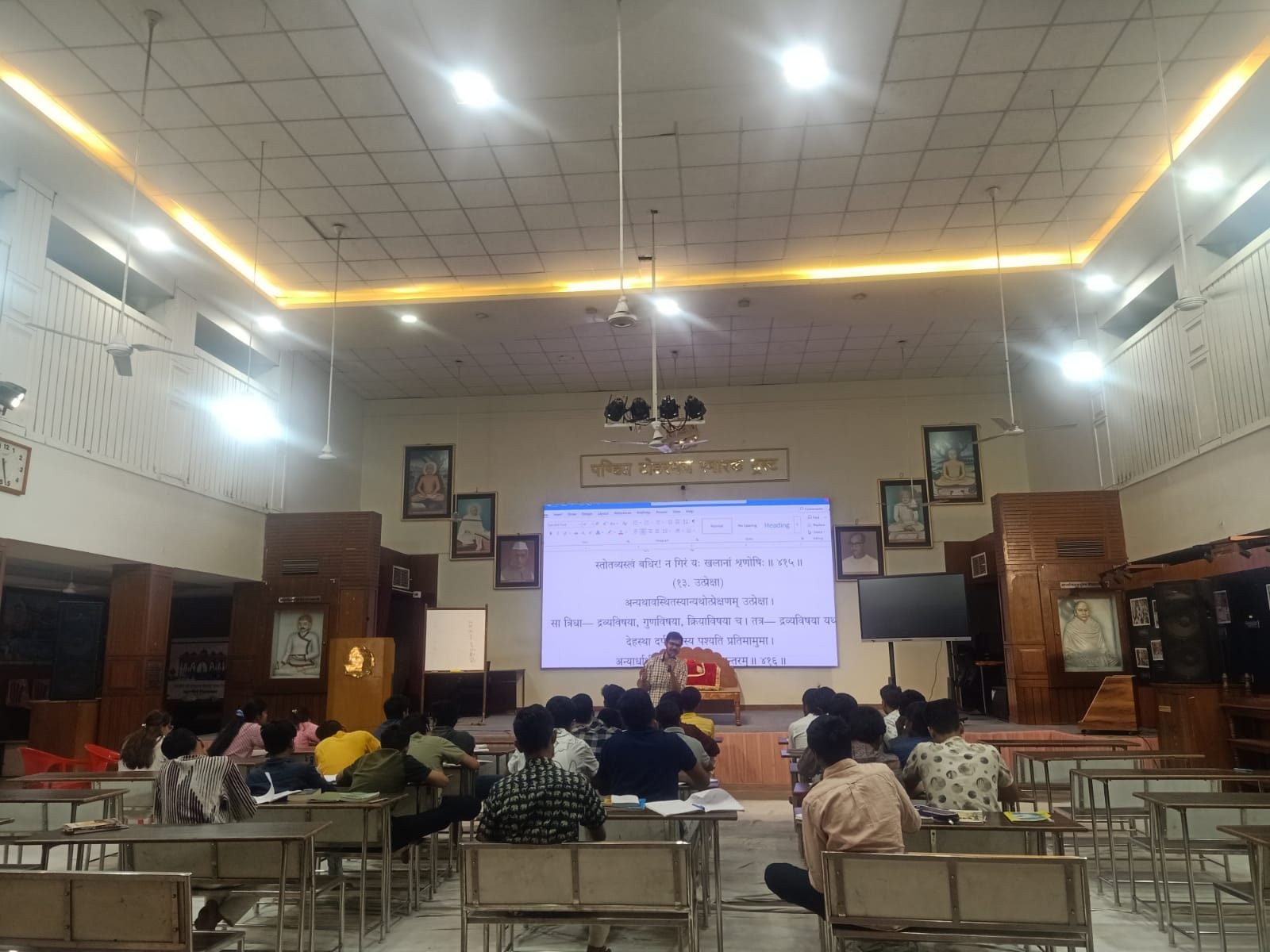
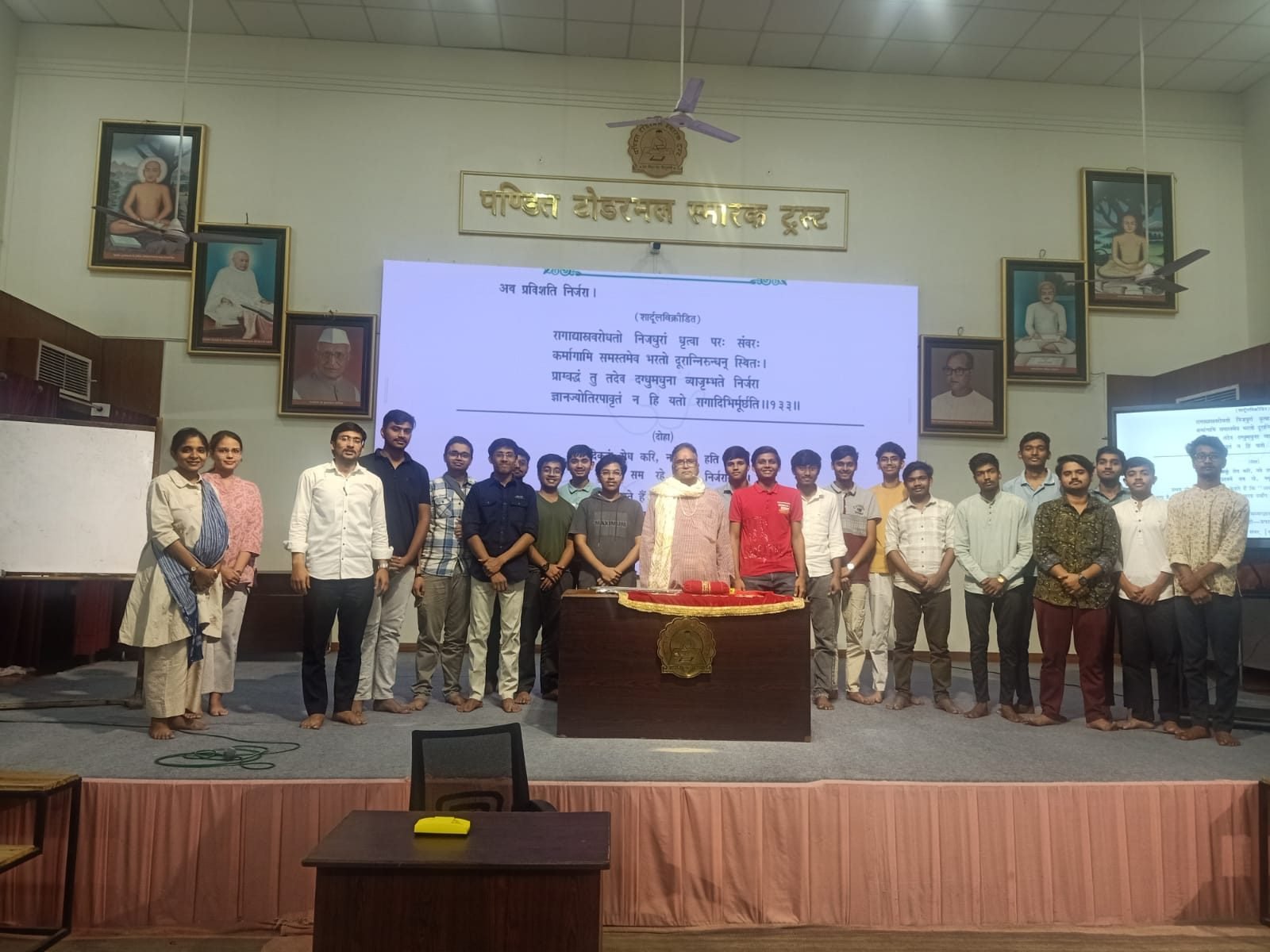
The National Sanskrit Sambhashan Workshop was organised under the joint auspices of the Samyak Gyan Prachar-Prasar Trust and the Pandit Todarmal Smarak Trust, and was held from 13 to 22 March 2026 at the Todarmal Digambar Jain Siddhant Mahavidyalaya in Jaipur. Students came from many regions for an enthusiastic, residential immersion in spoken Sanskrit.
The programme ran to more than fifty sessions — roughly fifty-four classes in all. Mornings were given to Sanskrit conversation practice and language games; the afternoon and evening sessions covered verse study, figures of speech, the history of Sanskrit and Jain Sanskrit literature, and grammar — cases, sandhi and compounds; while the night sessions were devoted to scripture discourse and self-study.
The workshop was convened and directed by Dr. Vipasha Jain, with a teaching panel that included Shri Naresh Singh, Shri Savin Kumar and Shri Liladhar Sharma for conversation, Prof. Ramkumar Sharma for verse, Dr. Ashwani Kumar Thakur for grammatical cases, Dr. Pramod Kumar Jain for compounds, and Shri Nayan Jain and Shri Sushmit Jain for figures of speech and literature.
By the close, participants reported a new confidence in conversing in Sanskrit, a firmer grasp of grammar, and the resolve to keep the practice alive in daily life. The closing ceremony framed the camp not as an end but as the beginning of a continuing habit of study.
Day-by-Day Schedule
Teaching Faculty
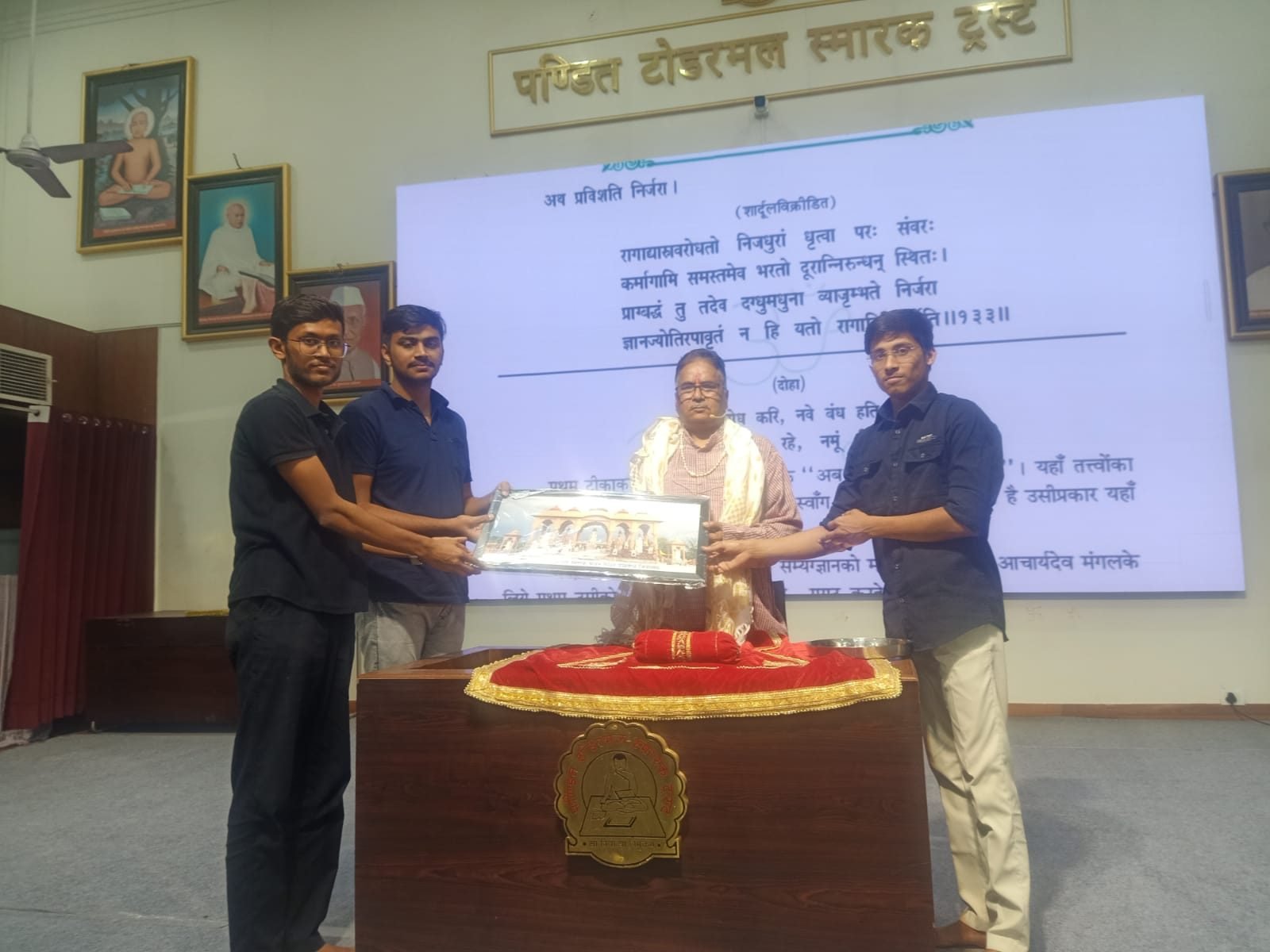
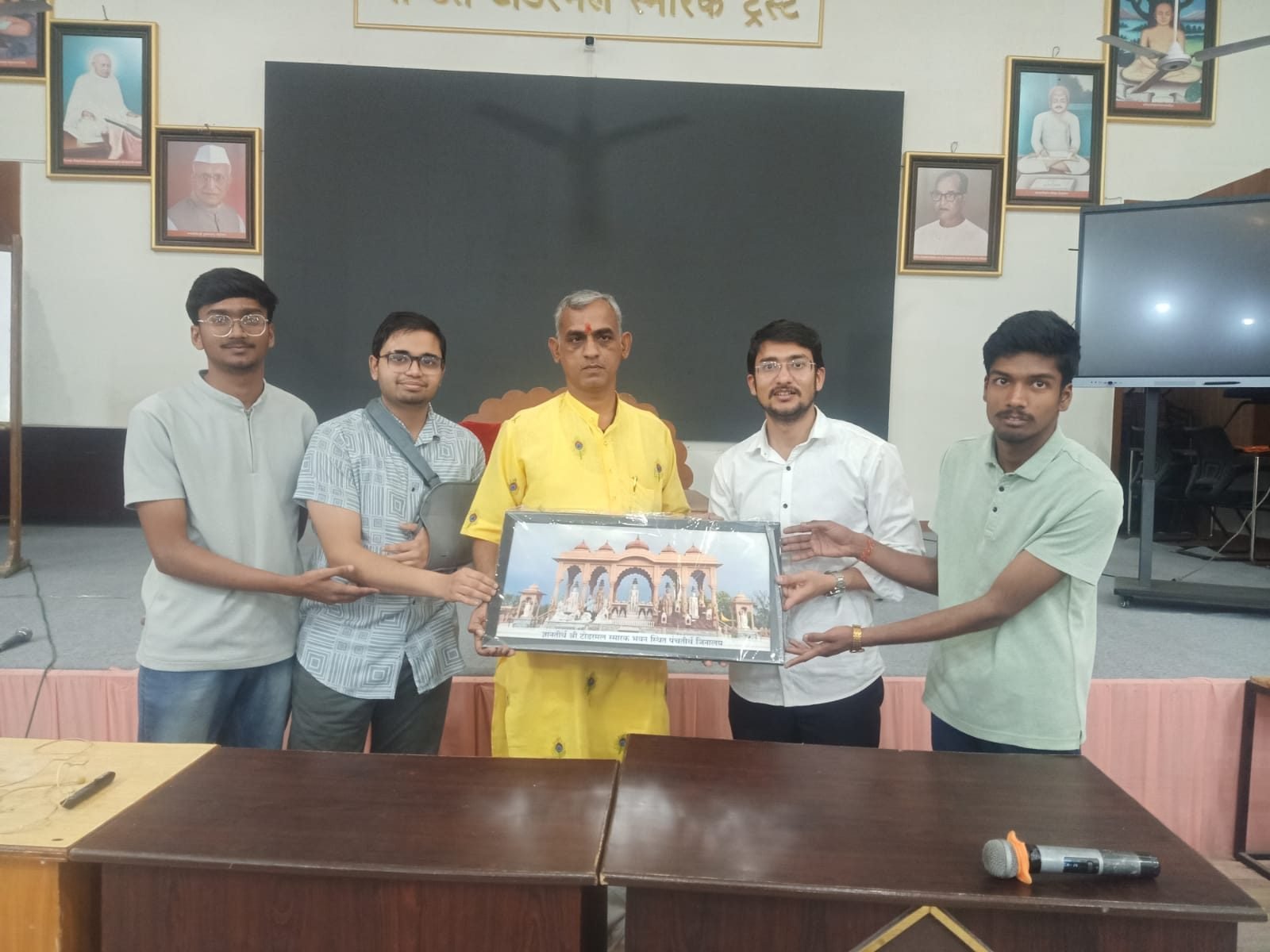
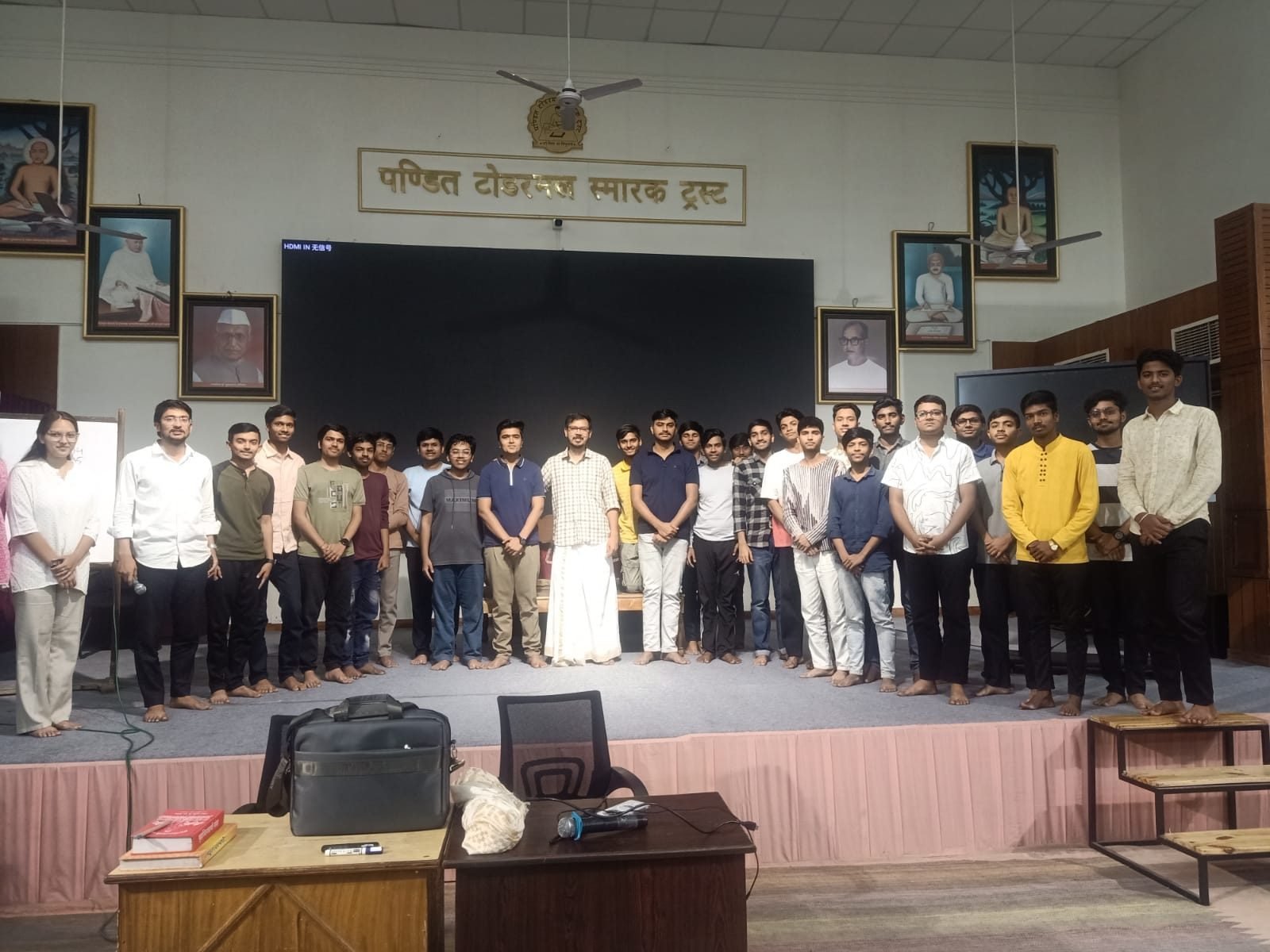
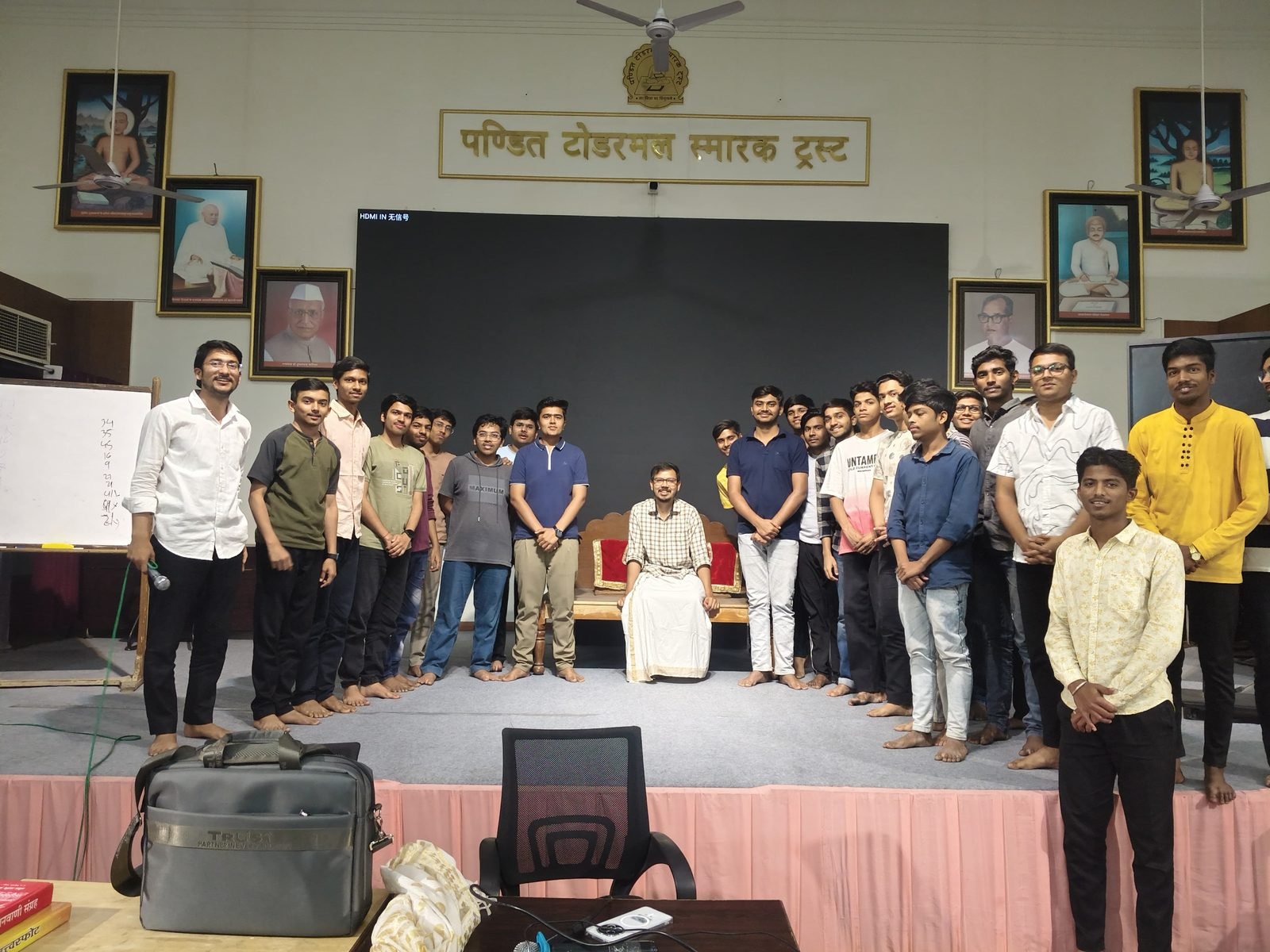
A glimpse of the workshop
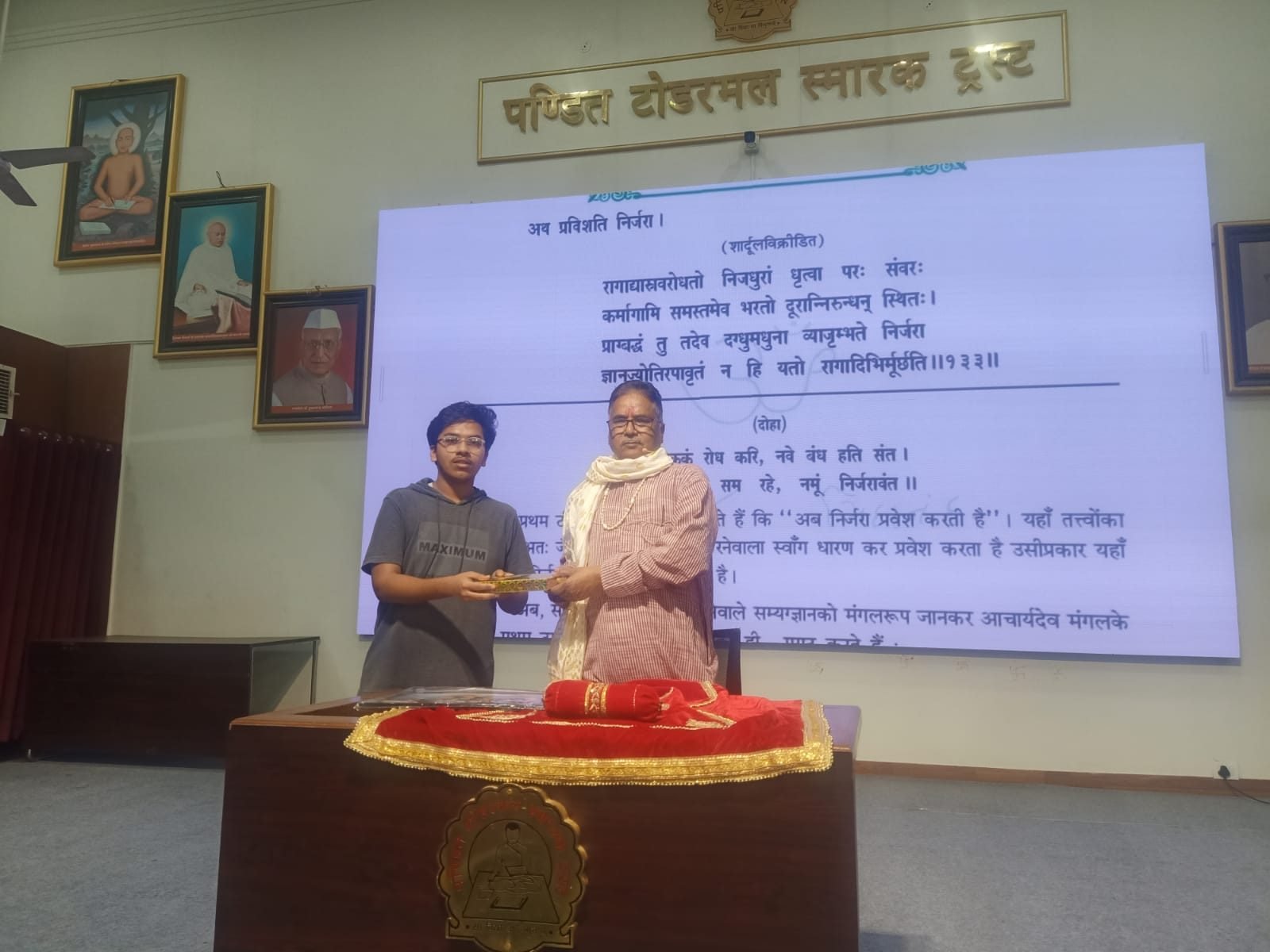
Ten days in pictures
In their own words
These days changed how I approach the texts. The structured, step-by-step progression made difficult material feel reachable, and by the end I could work with the original sources directly.Aakash Sharma आकाश शर्मा Research Scholar · Department of Sanskrit
The faculty were generous and patient. Coming in with very little background, I left with both confidence and a clear method I can keep practising on my own.Priya Mehta प्रिया मेहता M.A. Student · University of Rajasthan
What I valued most was the daily rhythm of study and practice. It forced me to consolidate each day’s learning rather than letting the concepts blur together.Devansh Jain देवांश जैन Independent Scholar · Khaniyadhana
The atmosphere at the Mahavidyalaya was perfect for immersive study — serious fellow students, generous scholars, and a schedule that respected both intensity and rest.Shruti Bhatnagar श्रुति भटनागर PhD Candidate · Jain Studies Centre
Browse the other workshops
Kota, Bhopal, Jaipur and Udaipur — अब तक तीन आयोजन, एक आगामी